
Weight management, no needle required.
A clinically supervised pathway built around oral GLP-1 tablets — the same proven biology behind weekly weight-management injections, in a once-daily tablet. No syringes, no fridge, no sharps bin.
Reviewed and prescribed by UK-regulated clinicians. Subject to consultation, supply, and prescribing guidance.
Average weight loss in trials comparing oral Wegovy, Wegovy injection, and Mounjaro
Wegovy pill — oral tablet · 64 weeks
Wegovy injection — weekly · 72 weeks
Mounjaro injection — weekly · 72 weeks

Trial averages are not guarantees. Individual outcomes depend on dose, adherence, side effects, treatment length, baseline health and lifestyle support. The oral Wegovy pill is shown here for education only — suitability is still confirmed at clinical consultation.
The same biology. Without the needle.
For the past five years the most effective prescription weight-management treatments have arrived as a weekly injection. They work brilliantly for many patients — but for anyone who is needle-phobic, travels often, or simply wants a less clinical routine, the day-to-day friction is real.
The Wegovy pill carries the same active ingredient — semaglutide — in a daily tablet you can keep in a kitchen cupboard instead of the fridge. MHRA-approved on 11 June 2026, our clinical team is preparing to add it to the Fylde Clinic weight-management pathway. Add your name to the waitlist and we'll be in touch the moment prescribing opens.
Clinically reviewed by Kulsum Rajani, GPhC-registered superintendent pharmacist · Fylde Clinic Pharmacy, GPhC reg 9012835.
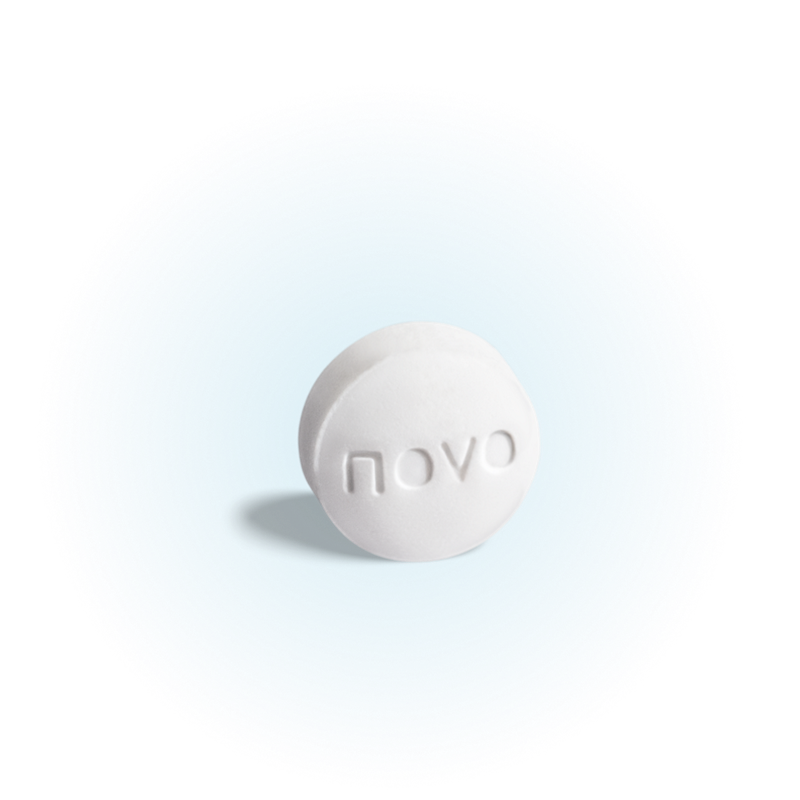
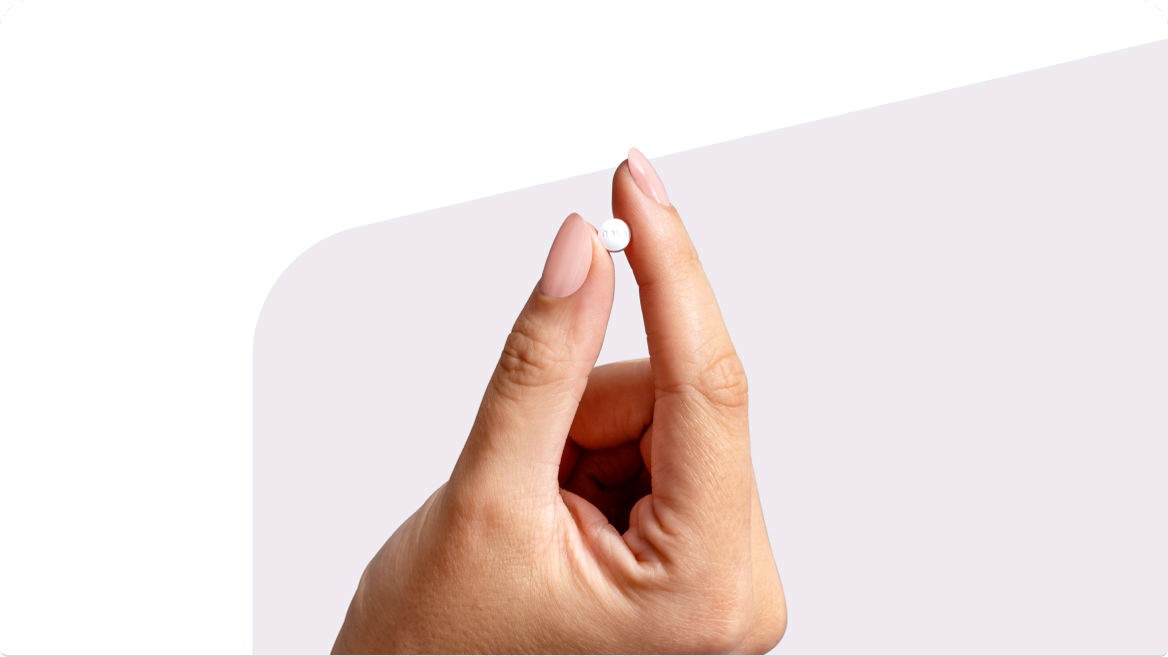
MHRA-approved oral semaglutide — the same active molecule behind the weekly Wegovy injection, delivered as a daily tablet.
No needles, no fridge, no sharps bin — a small tablet you take first thing in the morning with a sip of plain water.
Prescribed, monitored and supported by Fylde Clinic's UK-regulated clinicians (GPhC registration 9012835).
One molecule, three coordinated effects
Semaglutide is a GLP-1 receptor agonist — it borrows the language your gut already uses after a meal and turns the volume up. The result is a sustained appetite-regulating effect that makes calorie control easier, without willpower being the only thing in the way.
Quiets appetite
Semaglutide mimics GLP-1, a hormone the gut releases after a meal. It signals fullness to the brain, so smaller portions feel satisfying and between-meal cravings tend to fade away.
Slows digestion
Food stays in the stomach longer, which extends how full you feel after eating and makes it easier to stop before the usual urge to keep going kicks in.
Steadies blood sugar
By smoothing the glucose curve after meals, it softens the sharp post-meal dips that trigger hunger spikes and the mid-afternoon energy crash.
How long before you notice a difference?
Most people pick up on appetite changes within the first one to four weeks. Measurable weight loss usually becomes obvious from around the fifth or sixth week, once the dose has stepped up. The 12-week schedule is deliberately gradual — that's what keeps side effects manageable and lets the body adjust.
Once you reach the 25 mg maintenance dose, trial data shows an average loss of 13.6% of body weight over 64 weeks — rising to around 17% among the people who stayed on treatment throughout. Individual results depend on consistency, baseline health and the lifestyle support in place around the medication.
Average loss
0.0%
over 64 weeks (OASIS 4)
Among those who continued
0%
stayed on treatment
Lost 10% or more
0%
of participants
Lost 20% or more
0%
of participants
A 12-week step-up, paced for tolerability
The dose increases every 30 days, starting low and building to the maintenance level. A slower titration is what protects against the digestive side effects that can otherwise put people off treatment altogether.
Days 1–30
Starting dose
A gentle introductory dose so your body adjusts to the medication before any step-up.
Days 31–60
First titration
The dose increases at the 30-day mark. Most digestive side effects, when they appear, show up during these increases.
Days 61–90
Second titration
A further step closer to the therapeutic maintenance level, again paced over 30 days.
Day 91 onwards
Maintenance dose
The long-term dose. Trial data shows the strongest weight loss appears once the body settles at this level.
Be first to know when it's available
The waitlist is the only way to lock in a priority consultation slot before public launch.
Same molecule, different daily reality
Both forms contain semaglutide and broadly produce comparable weight-loss outcomes — choosing between them is mostly about which routine fits your life.
Daily oral tablet
- • Once a day, taken first thing in the morning
- • Maintenance dose: 25 mg
- • Strict 30-minute fasting window before food, drink or other medicines
- • Room-temperature storage — no fridge, no sharps bin, no special travel kit
- • 12-week step-up: 1.5 → 4 → 9 → 25 mg
Weekly injection
- • Once a week, self-administered via pen
- • Up to 7.2 mg per week for eligible adults
- • No fasting window — take with or without food, any time of day
- • Needs refrigeration — adds friction when travelling
- • Slightly higher average weight loss in trials (~20% in STEP 1)
Suitability is confirmed at consultation
The guidance below is the broad framework. A prescriber reviews your full medical history and current medications before deciding whether the pill is appropriate for you.
You may be suitable
- Adults with a BMI of 30 or higher, or
- BMI of 27+ alongside at least one weight-related health condition such as raised blood pressure, sleep apnoea or high cholesterol.
- Patients of South Asian, Chinese, other Asian, Middle Eastern, Black African or African-Caribbean background may qualify at a BMI of 27+ rather than 30.
Not suitable if…
- Pregnant, planning to become pregnant, or breastfeeding (GLP-1 medicines should be stopped at least two months before trying to conceive).
- Personal or family history of medullary thyroid carcinoma (MTC) or Multiple Endocrine Neoplasia syndrome type 2 (MEN2).
- Known allergy to semaglutide, the SNAC absorption coating, or any other ingredient.
- Type 1 diabetes, a history of pancreatitis, or significant gastrointestinal disease — discuss carefully with the prescriber.
A simple, supported path from waitlist to treatment
Join the waitlist
Sign up below to be among the first to hear when the oral pill becomes available to prescribe at Fylde Clinic.
Online clinical assessment
A short questionnaire reviewed by our prescribers, with any follow-up needed to confirm the treatment is suitable and safe for you.
Personalised plan
If approved, you receive a 12-week step-up plan: 1.5 mg → 4 mg → 9 mg → 25 mg, paced for tolerability and tailored to anything else you take.
Discreet delivery and ongoing review
Tablets arrive in plain packaging. Our clinical team stays in touch to monitor side effects, adjust pace and answer questions.
Getting absorption right
The 30-minute fasting window isn't optional — it's what allows the SNAC absorption coating to deliver semaglutide past stomach acid and into the bloodstream. Coffee, juice, supplements or other tablets taken too soon dilute or block the dose.
Practical tip
Set a phone alarm for 30 minutes after you wake. That's when food, coffee and any other morning medicines can resume.
- 01Take the tablet first thing — as soon as you wake, before anything else.
- 02Use no more than 120 ml of plain still water. Not sparkling, hot, flavoured, juice, tea or coffee.
- 03Swallow the tablet whole. Don't crush, split or chew it.
- 04Wait at least 30 minutes before eating, drinking anything else, or taking any other medicines or supplements.
- 05Aim for the same wake-up time each day so the routine becomes second nature.
- 06Leave tablets in their blister packs until you take them — moisture from a pill organiser can interfere with absorption.
What's normal — and what's not
Most side effects are digestive, peak during dose increases and ease once the maintenance dose is reached. A small number of less common effects need urgent attention — knowing the difference matters.
Common and usually short-lived
Nausea
Usually mild to moderate, peaks soon after dose increases, and tends to settle within days. Smaller meals, plain food and avoiding lying down straight after eating all help.
Constipation
Affects roughly one in five people and can be a little more stubborn than nausea. Extra fibre and good hydration go a long way.
Diarrhoea or stomach upset
Generally short-lived and most likely during the early weeks. Worth flagging to our team if it's persistent.
Tiredness, dizziness, mild headache
Often a reflection of eating and drinking less rather than the medication itself. Staying well-hydrated is the single biggest fix.
Less common — seek urgent help
Severe abdominal pain spreading to the back
Possible pancreatitis. Stop the medication and go straight to A&E — don't wait to see if it passes. The MHRA strengthened pancreatitis warnings across all GLP-1 medicines in early 2026.
Sudden painless vision change in one eye
A rare condition called NAION has been linked to semaglutide. Get to an eye casualty unit or A&E urgently if it happens.
Upper-right abdominal pain with nausea and fever
Gallbladder problems can develop on GLP-1 treatments. In the OASIS 4 trial around 2.5% of participants developed gallstones on the pill versus 1% on placebo.
Signs of an allergic reaction
Swelling of the face, lips, tongue or throat, or trouble breathing — call 999 immediately.
Hydration matters more than you think
Reduced appetite often means people drink less without noticing. Combined with mild nausea or diarrhoea, that's a real clinical risk — dehydration is one of the most common reasons GLP-1 treatments cause secondary problems. Aim for 1.5–2 litres of water a day, more if it's hot or you're active. Dark urine, dry mouth, dizziness or lightheadedness are early warning signs; call NHS 111 if you can't keep fluids down.
No fridge, no cool packs
Room temperature, no fridge
Unlike the weekly injection, the tablets don't need refrigeration. Store them somewhere dry, out of direct sunlight — a normal medicine cabinet is fine.
Travel-friendly
Tablets can travel in hand luggage with no cool packs or cold-chain packaging. Keep them in their original blister packs and avoid hot cars.
Use within expiry
Use only within the printed expiry date and keep out of reach of children — standard medicine cabinet rules apply.
Add your name to the list
The launch date, full pricing details and your priority consultation slot — all sent the moment prescribing opens at Fylde Clinic.
Already on the injection? Switching is straightforward
Because both forms contain semaglutide, moving from the weekly injection to the daily pill is usually a clean swap. Take your final injection as normal, wait the seven days your next dose would have been due, then start the equivalent oral dose the following morning. The 1.7 mg, 2.4 mg and 7.2 mg injections map directly to the 25 mg pill; lower injection doses match the lower pill steps. Most people find the new daily fasting routine is the bigger adjustment, not the medication itself.
Switching the other way — pill back to injection — needs a more cautious approach, because the pill's absorption is lower and more variable, so your prescriber may step the injection dose down to keep side effects manageable.
UK-regulated. Clinically led.
Every consultation is reviewed by qualified UK clinicians, and our pharmacy operates to GPhC standards (registration 9012835). No black-box algorithms — every plan is signed off by a named prescriber whose details appear on your paperwork.
UK-regulated prescribers reviewing every consultation
Ongoing monitoring throughout the 12-week step-up
Specialist experience in medical weight management
Discreet delivery and confidential aftercare
Common questions
How does the Wegovy pill differ from the weekly injection?
Both contain semaglutide and target the same appetite-regulating pathway. The pill is a once-daily 25 mg tablet at maintenance; the injection is once-weekly at 2.4 mg (or 7.2 mg for eligible adults). Average weight loss is broadly comparable — around 13–17% on the pill across the OASIS 4 trial, versus roughly 20% on the weekly injection in the STEP 1 trial. The practical trade-off is the pill's strict 30-minute morning fasting window in exchange for losing the needle and the fridge.
How effective is it?
In the OASIS 4 trial, adults taking the 25 mg pill alongside lifestyle changes lost an average of 13.6% of their body weight over 64 weeks — rising to around 17% among those who stayed on treatment throughout. About 63% lost 10% or more, and 30% lost 20% or more. Results vary with consistency, dose, side-effect tolerance and lifestyle support.
Who is eligible?
Broadly: adults with a BMI of 30+, or 27+ with a weight-related condition such as high blood pressure, sleep apnoea or raised cholesterol. The BMI threshold drops to 27+ for South Asian, Chinese, other Asian, Middle Eastern, Black African and African-Caribbean patients. Eligibility is confirmed during consultation — your full medical history, current medications and goals are reviewed by a UK-regulated prescriber.
What's the daily routine?
Take it as soon as you wake on an empty stomach, with no more than 120 ml of plain still water. Wait at least 30 minutes before any food, drink, supplement or other medicine. Same time every day. The fasting window is what allows the SNAC absorption coating to deliver semaglutide past stomach acid — eating early reduces or blocks the dose.
What if I miss a dose?
Skip the missed tablet entirely and pick back up the next morning. Don't take two in one day to catch up — the fasting window can't be doubled, and you'd risk extra digestive side effects. If you vomit shortly after taking a tablet, leave it and resume your normal schedule the following day.
What are the side effects?
The most common are digestive — nausea, vomiting, constipation, diarrhoea, and occasional bloating or heartburn — usually mild to moderate, most likely during dose increases, and fading once the maintenance dose is reached. Less common but serious effects include pancreatitis, gallbladder problems and very rare cases of NAION (sudden one-eye vision change). Our team paces the dose escalation to keep symptoms manageable and reviews any persistent or severe symptoms individually.
Can I take my other morning medicines or vitamins?
Yes, but anything else has to wait until the 30-minute fasting window has passed. Thyroid medication, blood thinners like warfarin, anti-epilepsy medicines and ciclosporin all need careful timing — flag everything you take during consultation. The combined contraceptive pill stays effective, but should also be taken after the fasting window.
Can I travel with it?
Yes. The tablets are stable at room temperature, so no cool packs or fridge access needed. Keep them in their original blister packs in hand luggage and out of direct heat. Much simpler than coordinating a weekly injection across time zones.
Is it suitable during pregnancy or while trying to conceive?
No. All GLP-1 medicines should be stopped at least two months before trying to conceive, and they aren't used during pregnancy or breastfeeding. If you become pregnant during treatment, stop the medication and contact our clinical team.
When will it be available and how do I get on the list?
Oral semaglutide (Wegovy pill) received MHRA approval in the UK on 11 June 2026. We're working through clinical supply ahead of opening prescribing at Fylde Clinic. Waitlist members get the launch date, full pricing details and a priority consultation slot before public release — join via any of the waitlist forms on this page.
Join the waitlist
Be first to hear when prescribing opens, with a priority consultation slot reserved before public launch. We'll only email you about this treatment — nothing else, no spam.
Oral semaglutide (Wegovy pill) received MHRA approval in the UK on 11 June 2026. Fylde Clinic Pharmacy is registered with the General Pharmaceutical Council (registration 9012835); clinical content reviewed by Kulsum Rajani, superintendent pharmacist. This page is informational only and does not constitute medical advice — treatment is subject to clinical assessment, supply and UK prescribing guidance; eligibility is confirmed during consultation and individual results vary. Always consult a qualified healthcare professional before starting any new medication.