

Browse subcategories
Common hair and scalp problems
Most scalp and hair problems are common and can be treated at home with pharmacy products. The key is matching the treatment to the cause, whether that is dandruff, a skin condition, head lice or hair loss.
Dandruff and itchy, flaky scalp
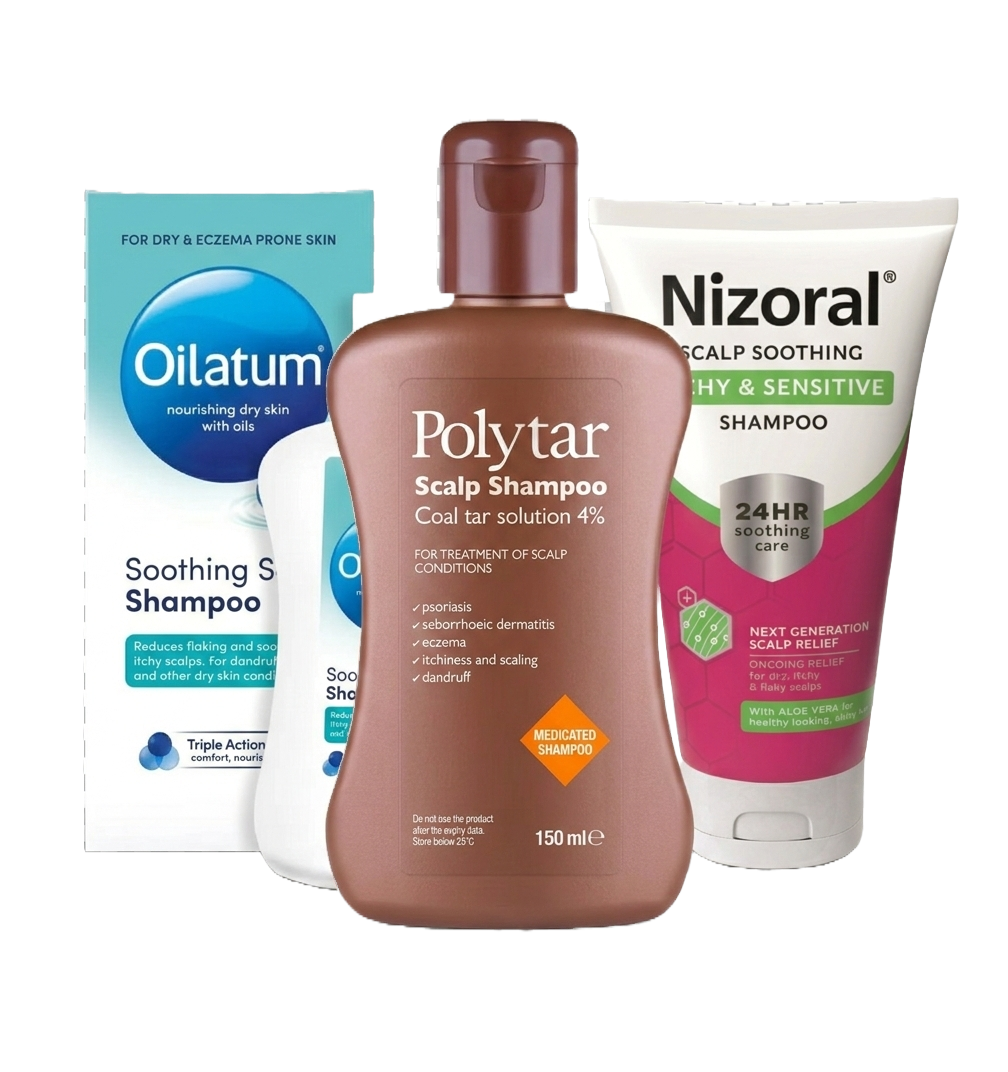
Dandruff causes white or grey flakes and an itchy scalp. It is linked to a yeast that lives naturally on the skin and is not caused by poor hygiene. A medicated anti-dandruff shampoo used two or three times a week usually controls it. Look for ingredients such as ketoconazole, zinc pyrithione, selenium sulphide, salicylic acid or coal tar.
Leave medicated shampoo on the scalp for the time stated on the pack (often 3 to 5 minutes) before rinsing, so it has time to work. Browse dandruff and psoriasis treatments.
Scalp psoriasis and seborrhoeic dermatitis
Thicker, silvery scales or red patches that extend beyond the hairline may be scalp psoriasis or seborrhoeic dermatitis. Coal tar shampoos and coconut oil-based scalp ointments help soften and lift scale. If over-the-counter treatments do not help after a few weeks, see your GP, as prescription treatments are available.
Head lice
Head lice are common in school-age children and spread through head-to-head contact. They are not a sign of dirty hair. Only treat if you find a live louse, and check everyone in the household at the same time.
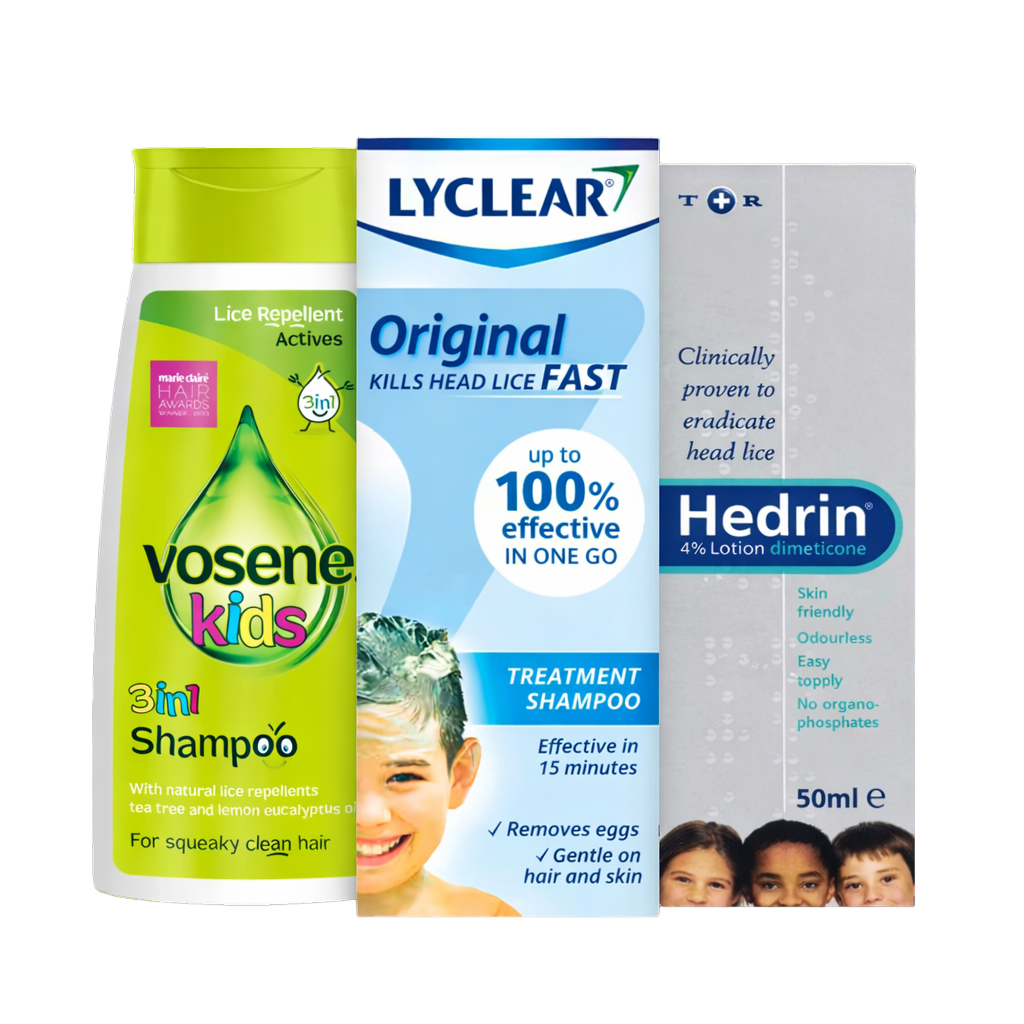
- Lotions and sprays: many modern head lice treatments work physically (for example dimeticone), smothering lice rather than relying on insecticides, so resistance is not an issue.
- Wet combing: combing wet, conditioned hair with a fine-toothed detection comb can be used on its own or alongside treatment.
- Repeat: most treatments need a second application about 7 days later to catch newly hatched lice.
Hair loss and thinning hair
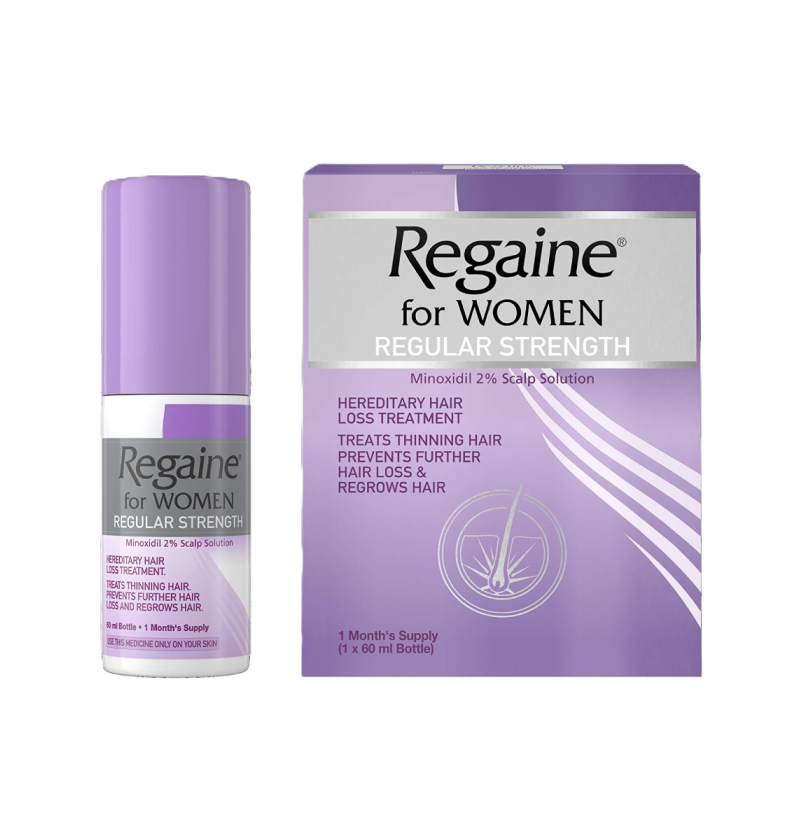
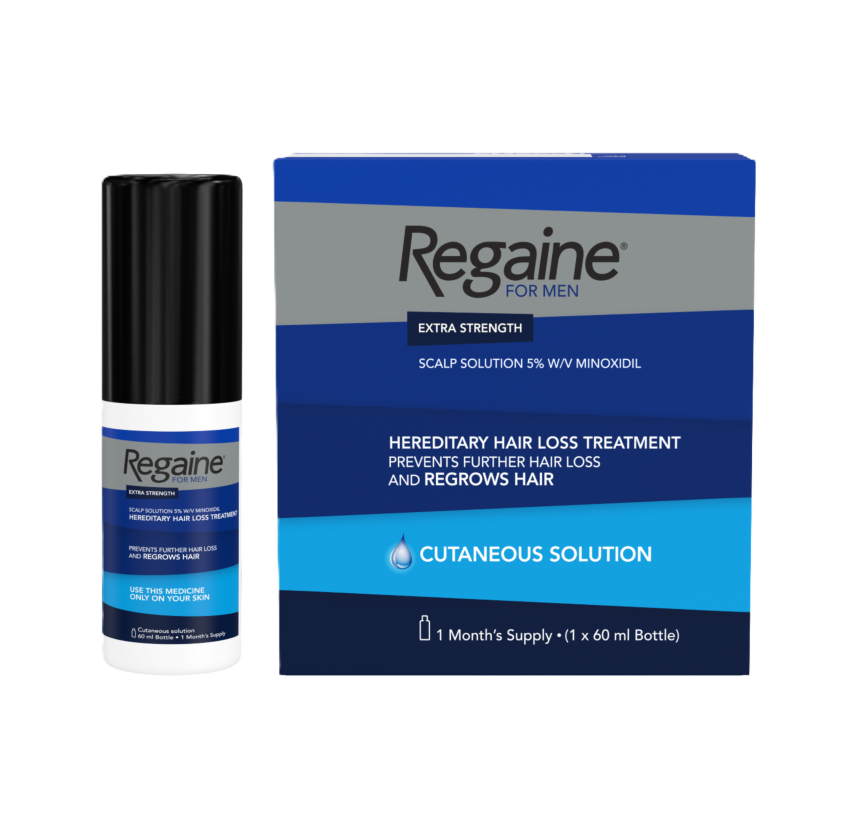
Gradual thinning on the crown or a receding hairline in men, and a widening parting in women, are usually caused by hereditary (pattern) hair loss. Minoxidil scalp foam or solution, applied to the scalp, can help slow hair loss and regrow hair in some people. It needs to be used every day, and results usually take 3 to 6 months to appear.
Shop hair loss treatments for men and hair loss treatments for women, or explore our hair loss consultation.
Everyday hair care
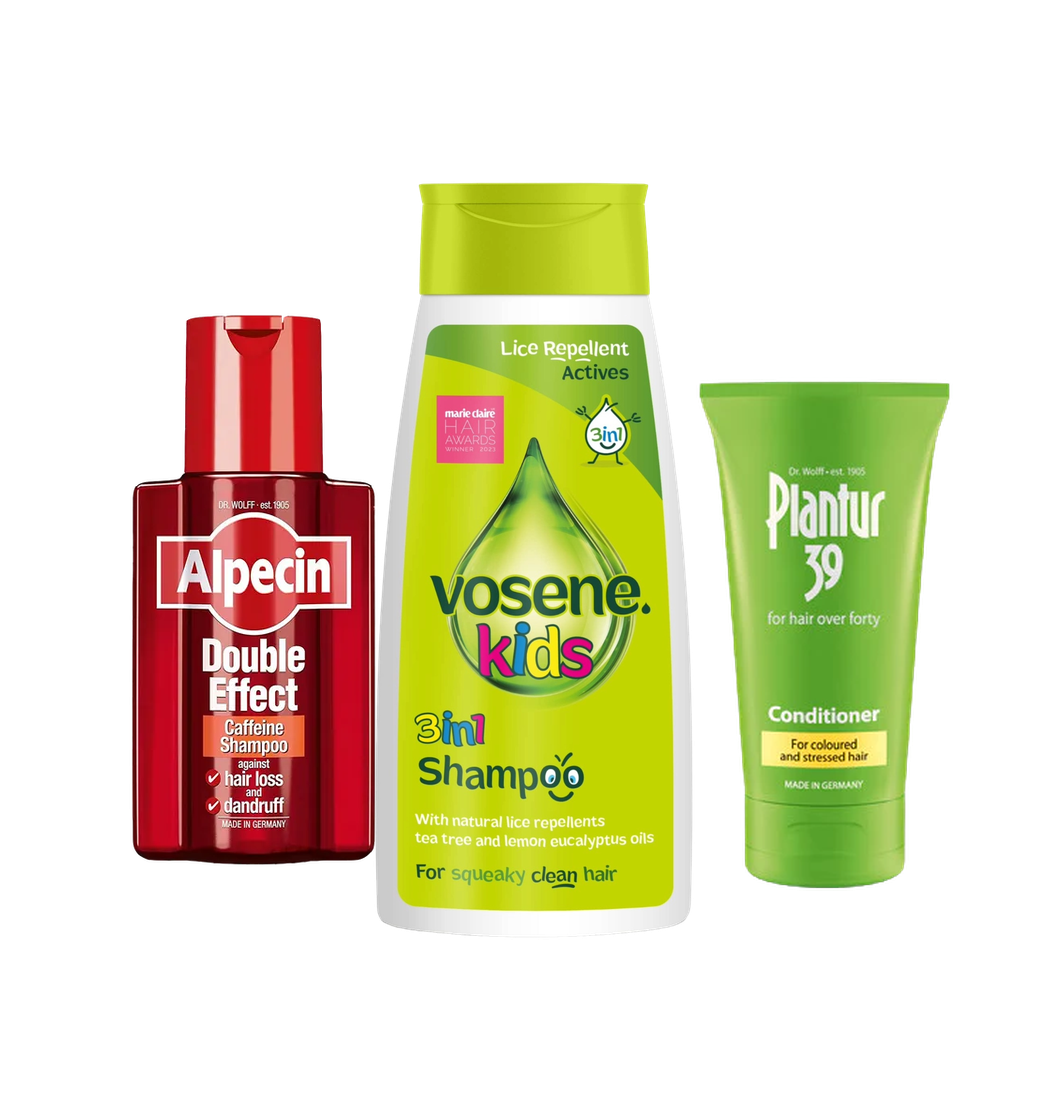
Our shampoos and conditioners include gentle, sensitive-scalp and caffeine-based formulas for healthier-looking hair.
When to see a GP
See your GP if you have sudden or patchy hair loss, hair coming out in clumps, a scalp that is very sore, swollen or weeping, or if symptoms do not improve after a few weeks of pharmacy treatment. Hair loss can sometimes be linked to thyroid problems, low iron or medicines you take.
Frequently Asked Questions
How often should I use anti-dandruff shampoo?
Most medicated shampoos are used two or three times a week until the dandruff clears, then once a week or every two weeks to keep it away. Always follow the instructions on the pack.
How do I know if my child has head lice?
The only way to be sure is to find a live louse. Comb wet, conditioned hair with a fine-toothed detection comb, section by section. Itching alone or finding empty egg cases does not mean there is an active infestation.
Does my child need to stay off school with head lice?
No. Children with head lice do not need to be kept off school. Treat them and check the rest of the household.
How long does minoxidil take to work?
Minoxidil usually takes 3 to 6 months of daily use before results are noticeable. Some people notice increased shedding in the first few weeks, which is normal and usually settles. The benefits are lost if you stop using it.
When should I see a doctor about hair loss?
See your GP if your hair loss is sudden, patchy or comes out in clumps, if your scalp is itchy, sore or scaly, or if you are worried about it. Some causes, such as thyroid problems or low iron, can be treated.