

Browse subcategories
What is hay fever?
Hay fever (allergic rhinitis) is an allergic reaction to pollen. When pollen gets into your nose, eyes or throat, your immune system overreacts and releases histamine, which causes the familiar symptoms. It affects millions of people in the UK and often runs in families, especially alongside asthma or eczema.
The pollen season runs roughly from late March to September. Tree pollen peaks in spring, grass pollen (the most common trigger) from May to July, and weed pollen from late June to September. Year-round symptoms are more likely to be caused by house dust mites, pet dander or mould.
Common symptoms
- Sneezing and a runny or blocked nose
- Itchy, red or watery eyes
- An itchy throat, mouth, nose or ears
- Coughing, headache or pain around the sinuses
- Feeling tired, especially if symptoms disturb your sleep
If you have asthma, hay fever can make wheezing and breathlessness worse. Speak to your GP or asthma nurse if your asthma flares during pollen season.
Hay fever and allergy treatment options
| Treatment | How it helps | Good to know |
|---|---|---|
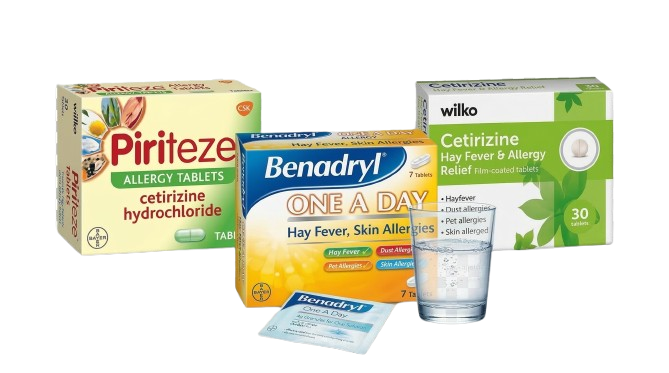
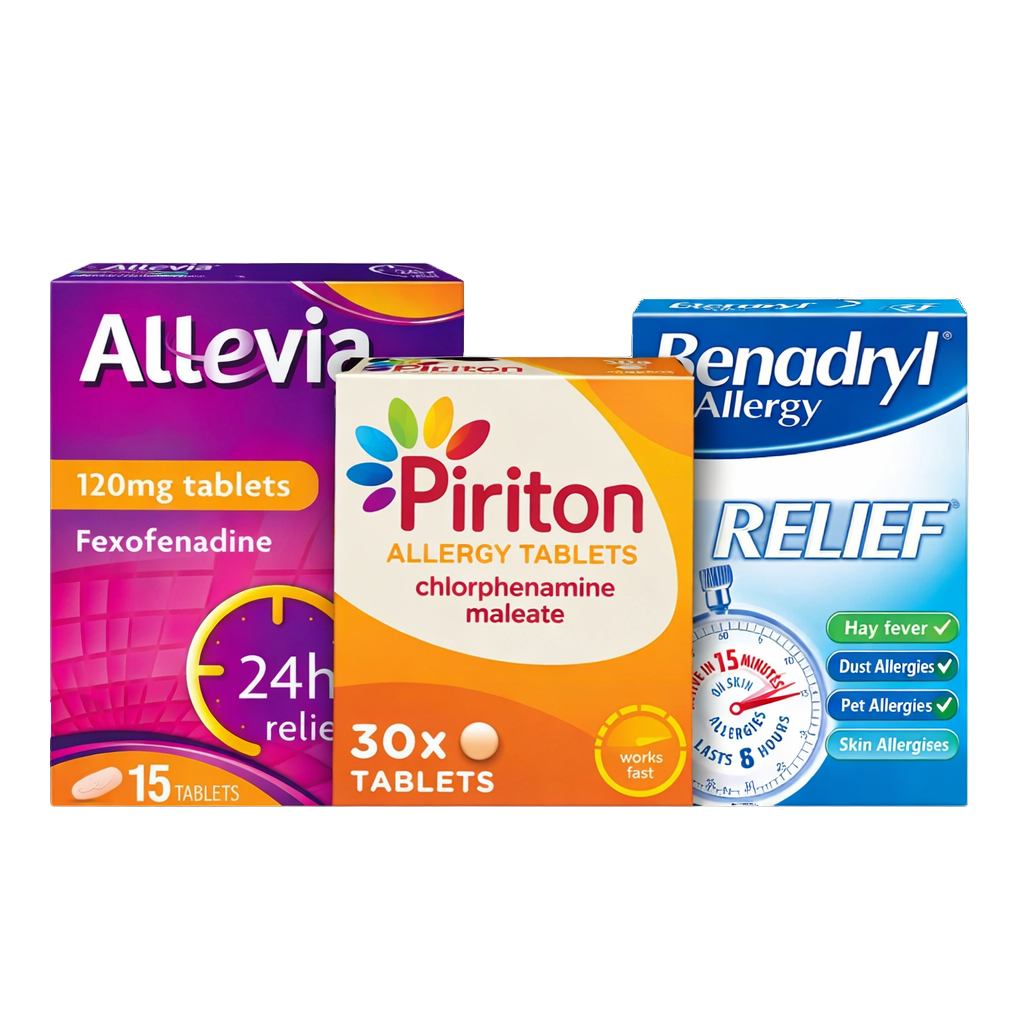
| Antihistamine tablets and capsules | Block histamine to ease sneezing, itching and a runny nose. | Once-a-day options such as cetirizine, loratadine and fexofenadine are less likely to cause drowsiness than older antihistamines. |
| Steroid nasal sprays | Reduce inflammation in the nose, helping a blocked or runny nose. | Work best used every day, starting a couple of weeks before your symptoms usually begin. It can take a few days to feel the full effect. |
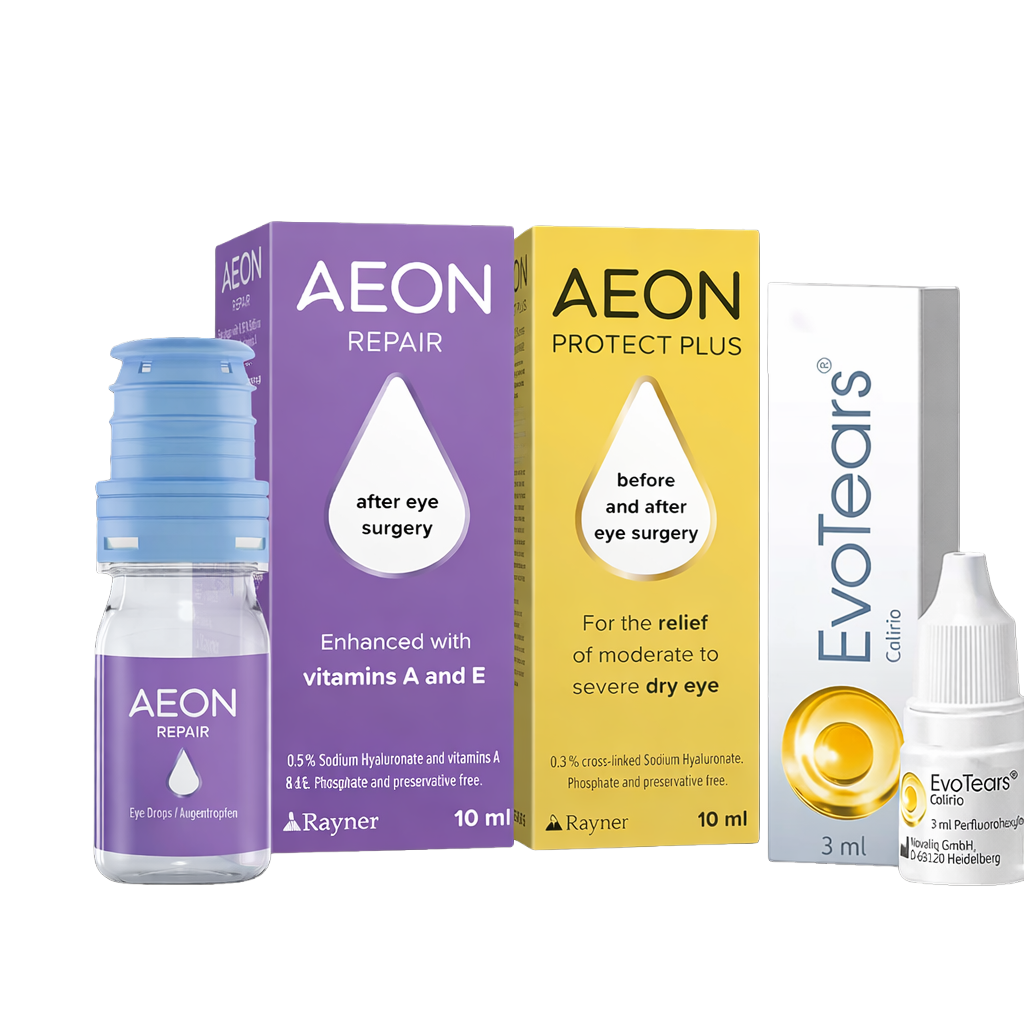
| Allergy eye drops | Soothe itchy, red and watery eyes. | Some can be used alongside antihistamine tablets. Remove contact lenses unless the pack says otherwise. |
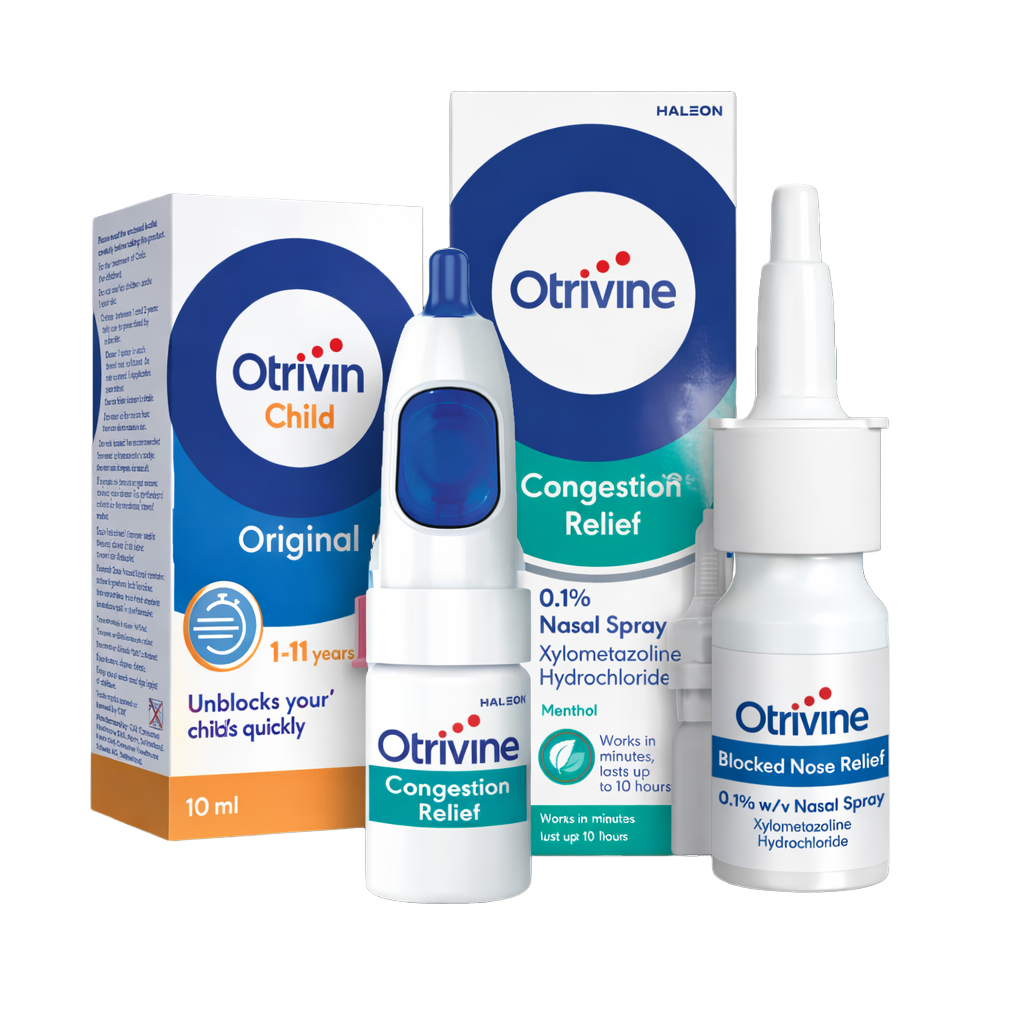
| Decongestants and saline sprays | Relieve a blocked nose and rinse away pollen. | Decongestant sprays should only be used for a few days at a time, as longer use can make congestion worse. |
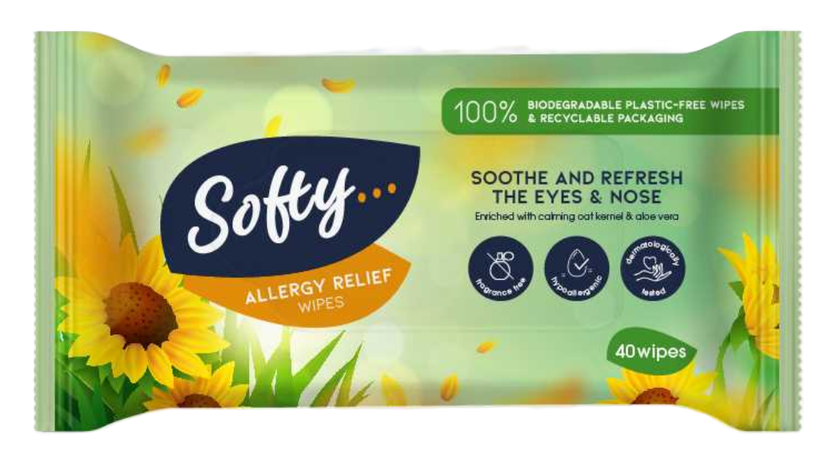
| Allergy wipes and barrier balms | Remove or trap pollen on the skin and around the nose. | A useful drug-free extra, especially after time outdoors. |
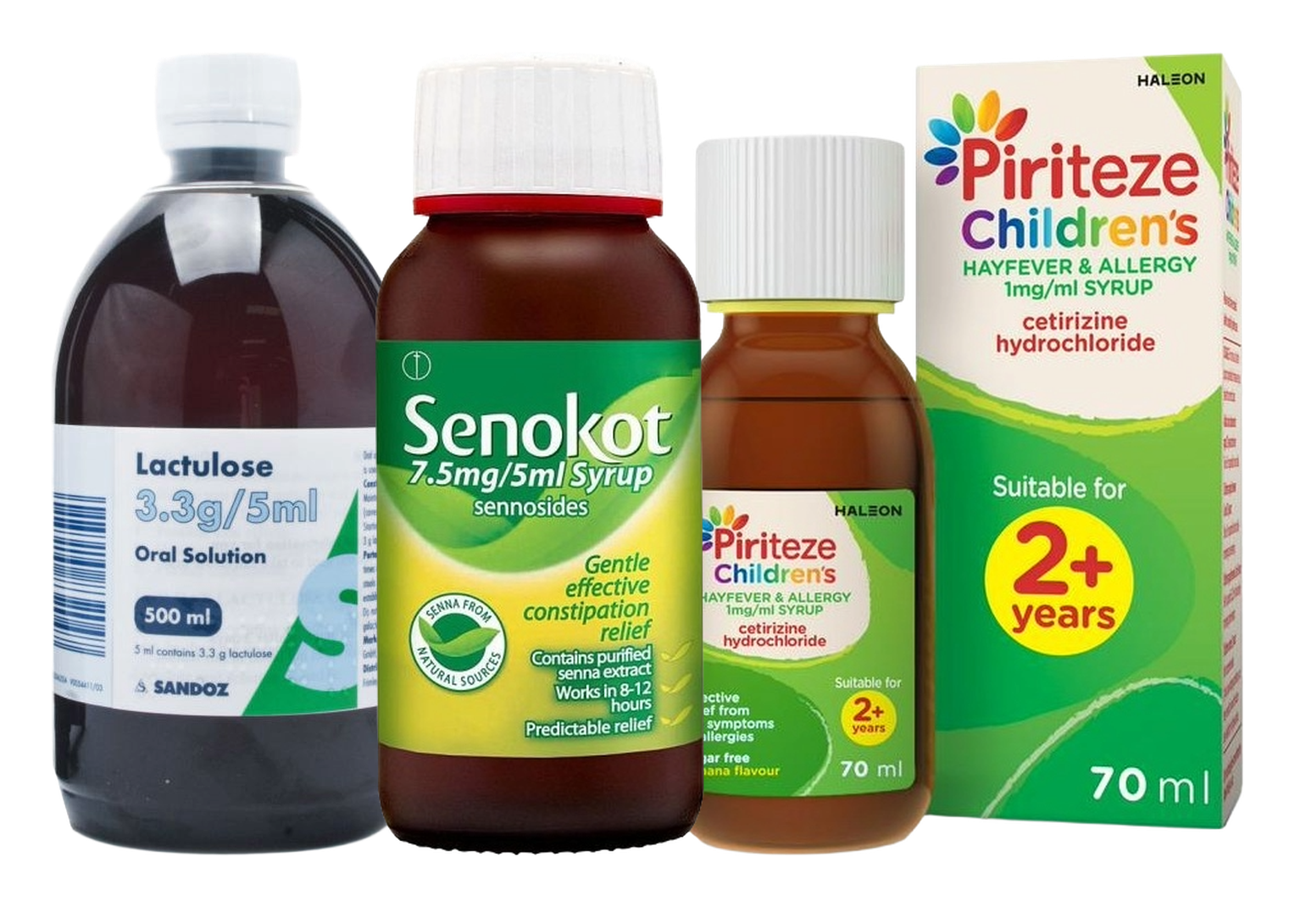
| Children's allergy syrups | Liquid antihistamines in child-friendly doses. | Always check the minimum age on the pack and use the measuring spoon or syringe provided. |
Which hay fever treatment is right for me?
For mild, occasional symptoms an antihistamine tablet is often enough. If your main problem is a blocked nose, a steroid nasal spray is usually more effective, and many people with moderate symptoms use both. Eye drops can be added if your eyes are still itchy or sore.
Not sure where to start? Ask our pharmacist for free advice. Let us know if you are pregnant or breastfeeding, take other medicines, or are buying for a child, as this can change what is suitable.
Tips to reduce your exposure to pollen
- Check the daily pollen forecast and keep windows closed when the count is high.
- Wear wraparound sunglasses and put a little balm around your nostrils to trap pollen.
- Shower, wash your hair and change your clothes after being outside.
- Avoid drying washing outside on high-pollen days.
- Vacuum regularly and dust with a damp cloth.
When to see a GP
Speak to your GP if your symptoms do not improve with pharmacy treatments, if you have wheezing or difficulty breathing, or if you get symptoms all year round. For severe allergic reactions, such as swelling of the lips, tongue or throat or difficulty breathing, call 999 immediately.
Frequently Asked Questions
When should I start taking hay fever treatment?
If you know when your hay fever usually starts, begin a steroid nasal spray about two weeks beforehand and keep using it daily through the season. Antihistamine tablets can be taken when symptoms start or every day during the season.
Do hay fever tablets make you drowsy?
Newer once-a-day antihistamines such as cetirizine, loratadine and fexofenadine are much less likely to cause drowsiness, although a small number of people still feel sleepy. Older antihistamines can cause drowsiness, so check the pack before driving.
Can I take an antihistamine and use a nasal spray together?
Yes. Many people use an antihistamine tablet with a steroid nasal spray, and eye drops can be added too. Check with our pharmacist if you take other medicines.
Can children take hay fever medicine?
Yes, there are syrups and tablets for children, but each has a minimum age. Always check the pack and follow the dose for your child's age, or ask our pharmacist.
Why do I get hay fever symptoms all year round?
Year-round symptoms are often caused by indoor allergens such as house dust mites, pet dander or mould rather than pollen. Speak to your GP if your symptoms do not follow the seasons.