

Finasteride for Hair Loss: What You Need to Know
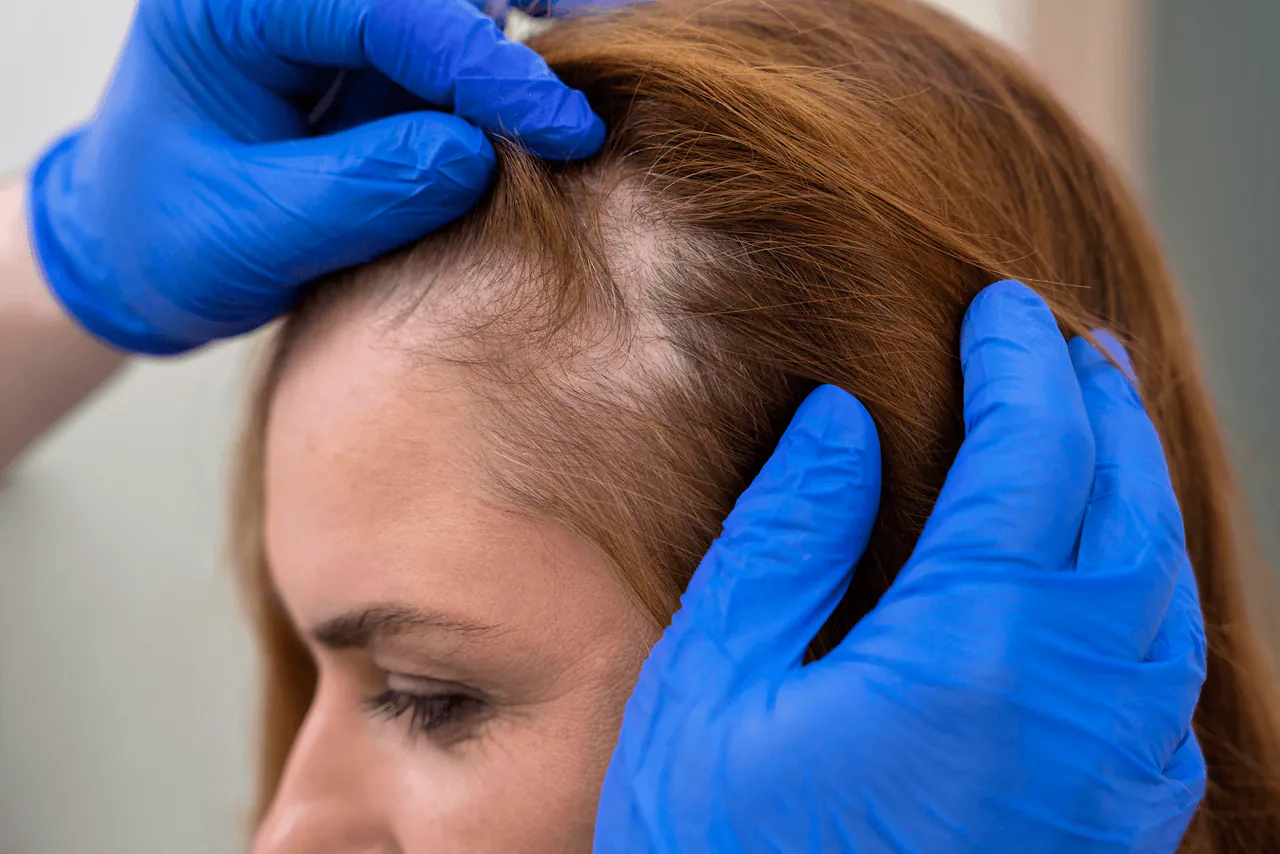
One of only two FDA-approved treatments for male pattern baldness — separating clinical fact from forum fiction on how Finasteride works, results and side effects.
If you have researched solutions for a receding hairline or thinning crown, you have undoubtedly encountered Finasteride. As one of only two FDA-approved treatments for male pattern baldness, it remains the gold standard for clinical intervention.
However, with its popularity comes a wealth of misinformation. Our goal is to provide a balanced overview, separating clinical fact from forum fiction. Understanding the biological response is the first step toward effective hair restoration.
How Finasteride works: targeting the root cause
Male pattern hair loss is primarily caused by a sensitivity to dihydrotestosterone (DHT), a potent byproduct of testosterone. Finasteride acts as a 5-alpha-reductase inhibitor, effectively blocking the enzyme responsible for converting testosterone into DHT.
The biological mechanism
By reducing scalp DHT levels by up to 60–70%, the 1mg daily tablet prevents the miniaturisation of hair follicles, allowing them to remain healthy and productive.
The standard protocol
Clinical efficacy is most commonly established with a consistent 1mg daily dose. Higher doses are typically reserved for prostate conditions, not hair restoration.
What results can you realistically expect?
Months 1–3: the stabilisation phase
You may notice a temporary increase in shedding as weaker hairs make way for stronger ones. Visible regrowth is rare at this stage.
Months 3–6: noticeable changes
Shedding significantly slows or stops entirely. Some users begin to see the first signs of fuzz or thickening at the crown.
Months 6–12: maximum regrowth
This is when the full aesthetic impact becomes clear. Consistency is key, as the benefits require a long-term commitment — if you stop, DHT will return and hair loss will resume.
"The most common mistake patients make is expecting results in weeks rather than months. Hair cycles are slow; patience and adherence to the clinical protocol are your strongest allies."
— Pharmacist: Kulsum Rajani
Side effects & regulatory guidance
Side effects: fact vs fiction
While often debated online, clinical data shows that side effects affect fewer than 2% of users. Most reported issues are mild and reversible upon stopping the medication.
UK regulatory guidance (MHRA)
The MHRA advises patients to monitor their mood closely. While rare, any signs of depression or anxiety should be discussed with your prescriber immediately.
Summary: is it right for you?
- Daily dosage: a single 1mg tablet.
- Primary goal: prevention and crown regrowth.
- Time to result: typically 3–6 months.
- Availability: prescription only.
If you are noticing the early signs of thinning, the best time to act is now. Consult with our specialists to develop a safe, effective plan tailored to your clinical needs.