

Managing High Blood Pressure: Lifestyle Changes That Work
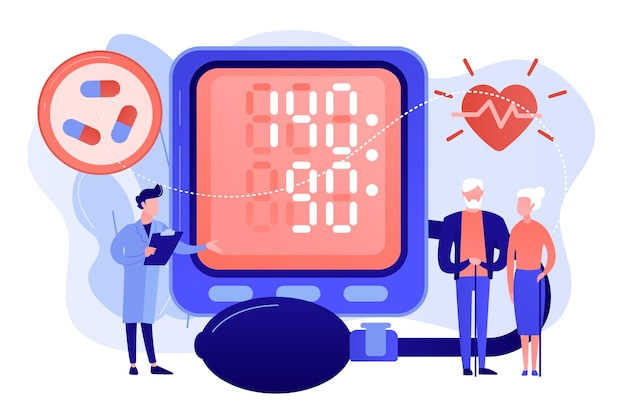
Hypertension affects 1 in 3 UK adults and rarely shows symptoms until damage is done. The diet, salt, exercise and alcohol changes that genuinely move the numbers.
Often referred to as the "silent killer," high blood pressure (hypertension) currently affects 1 in 3 adults across the UK. Because it rarely presents obvious symptoms until severe damage occurs, proactive management through daily habits isn't just a suggestion — it's a critical clinical necessity for long-term heart health.
The DASH diet protocol
Eat plenty of
- Fresh leafy vegetables.
- Seasonal fruits and berries.
- Unrefined whole grains.
- Lean proteins such as fish and poultry.
Limit or avoid
- Processed, fatty meats.
- Refined sugars and sweets.
- Full-fat dairy products.
- Saturated fats.
Master the salt balance
The UK clinical target is less than 6g of salt per day. The challenge lies in "hidden culprits" — processed breads, pre-packaged sauces and ready meals — which account for nearly 75% of our daily intake. We recommend swapping table salt for fresh herbs and citrus to enhance flavour without the sodium load.
A clinical exercise routine
- Moderate aerobic activity: aim for 150 minutes per week — fast walking, cycling or swimming at a pace where you can talk but not sing.
- Resistance training: twice-weekly sessions targeting the major muscle groups, which improves vascular resistance and metabolic efficiency.
- Sustainable monitoring: consistency outperforms intensity. Keep a log of your activity alongside your BP readings.
Your relationship with alcohol
Clinically, we advise staying below the 14-units-per-week limit. Crucially, spreading these units across three or more days and including several "alcohol-free days" significantly reduces the risk of sustained high pressure.
Knowing the numbers
- Healthy baseline: systolic below 120 and diastolic below 80 — an annual check-up is recommended.
- Pre-hypertension: systolic 120–139 or diastolic 80–89 — begin immediate lifestyle adjustments.
- High blood pressure: systolic 140+ or diastolic 90+ — consult a specialist promptly.
"Controlling your blood pressure is the single most effective way to reduce your risk of stroke and heart attack. While medication is sometimes necessary, these lifestyle changes form the foundational bedrock of all effective treatment plans."
— Pharmacist: Kulsum Rajani