

Mounjaro Maintenance Plan: How to Keep the Weight Off Long-Term
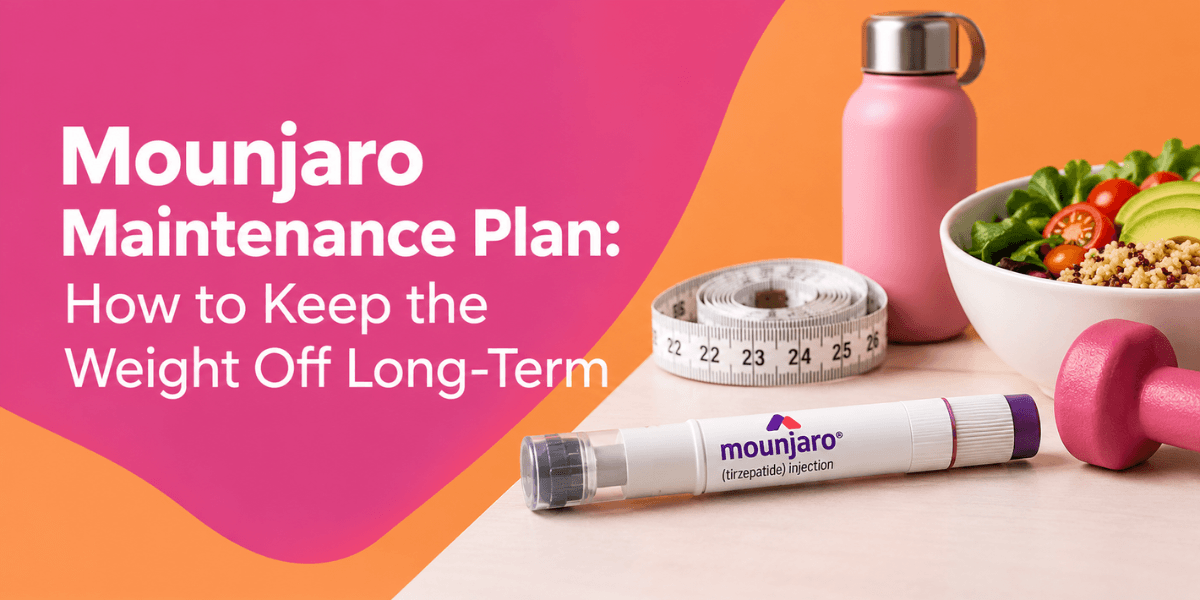
Keeping weight off after reaching your goal with Mounjaro takes the right treatment plan, regular dose reviews and sustainable nutrition and activity habits. Understanding appetite changes, tracking weight trends and getting professional guidance all help reduce the risk of weight regain and support lasting results.
Losing weight with Mounjaro can feel like a major achievement, but reaching your goal weight is only part of the journey. The next step is learning how to hold on to that progress without losing more weight than you need to or regaining what you have lost.
A good Mounjaro maintenance plan focuses on the right treatment approach, sustainable eating habits and staying active. It also includes regular monitoring and professional support, particularly if you are thinking about reducing your dose or stopping treatment.
No single approach works for everyone, but understanding how maintenance works makes the move from active weight loss to long-term weight management easier.
What Happens After Reaching Your Goal Weight on Mounjaro?
Reaching your goal weight does not mean your body will automatically stay there. Mounjaro (tirzepatide) works on hormone receptors involved in appetite and blood glucose control. It reduces hunger, helps you feel full sooner and supports weight loss as treatment continues.
Once you reach your target, the focus shifts away from losing more weight and towards keeping a healthy, stable weight.
Appetite May Gradually Change
Mounjaro makes it easier to feel satisfied with smaller meals. If you reduce the dose or stop treatment, your appetite may increase and old hunger patterns may return, which can make your usual eating routine harder to keep up.
Weight Can Fluctuate Naturally
Small changes on the scales are normal. Water retention, salt intake, digestion and hormonal changes can all affect your weight each day. A single increase does not necessarily indicate fat gain.
Treatment May Need Reviewing
The dose that helped you lose weight may not be the best dose for maintenance. Some people continue on a suitable prescribed dose, while others need a supervised adjustment. Your prescriber should consider your weight trends, side effects, nutrition and individual health needs before making any change.
How Does a Mounjaro Maintenance Plan Work?
A maintenance plan aims to keep your weight within a healthy range while supporting your overall wellbeing. It is not simply about taking less medication or stopping injections as soon as you hit your target.
Maintenance treatment means finding a Mounjaro dose that keeps your weight stable, so you avoid losing too much or regaining what you have lost.
Two clinical trials, SURMOUNT-4 and SURPASS-4, help explain tirzepatide's role in weight management and diabetes care. SURMOUNT-4 found that people who kept taking tirzepatide after their initial weight loss held on to their progress far better, while those who switched to a placebo regained a substantial amount of weight.
SURPASS-4, which involved people with type 2 diabetes and an increased cardiovascular risk, found that tirzepatide provided better blood glucose control and greater weight reduction than insulin glargine.
Review the Current Dose
The right maintenance dose varies between individuals. The prescribing information for Mounjaro lists 5mg, 10mg and 15mg once weekly as maintenance doses for adults treated for weight management. Your dose depends on your response, tolerability and clinical assessment.
A lower dose will not automatically keep your weight stable. Equally, increasing the dose is not the answer to every small fluctuation. Agree any adjustment with your prescriber and follow the medicine’s prescribing guidance.
Monitor Weight Consistently
Weigh yourself once a week under similar conditions to spot meaningful changes over time. Recording the results makes it easier to tell a temporary fluctuation from a steady upward or downward trend.
Keep Regular Contact with the Prescriber
Follow-up appointments give you the chance to discuss appetite, eating patterns, side effects and progress. Regular reviews matter most when you change your dose or consider stopping treatment.
Maintenance area | Practical approach |
Medication | Follow the prescribed dose and review it with the prescriber. |
Weight tracking | Weigh weekly under similar conditions and monitor trends. |
Nutrition | Eat balanced meals with sufficient protein and fibre. |
Physical activity | Combine regular movement with strength-building exercise. |
Follow-up | Report ongoing weight changes, side effects or difficulty eating enough. |
How to Prevent Weight Regain After Mounjaro
Learning how to prevent weight regain after Mounjaro starts with recognising that medication is only one part of long-term weight management. Your daily habits, appetite changes and your plan for continuing or stopping treatment all matter.
Build Consistent Eating Habits
Regular, balanced meals make hunger easier to manage, particularly as your appetite returns. Include vegetables, fruit, wholegrains, protein and sensible amounts of healthy fats.
Skipping meals to make up for a higher reading on the scales can leave you very hungry later. A consistent routine is usually easier to keep up than a restrictive one.
Pay Attention to Hunger and Fullness
Your appetite can change during maintenance, so notice how hunger builds through the day. Eating slowly, giving yourself time to feel full and planning satisfying meals all help prevent unintentional overeating.
Avoid Reacting to Every Weight Change
A small rise after a salty meal or a change in routine is not a reason to alter treatment. Look at the overall trend across several weeks before drawing conclusions, and discuss persistent changes with your prescribing team.
Seek Support Before Problems Build Up
If hunger becomes hard to manage or your weight starts rising steadily, contact your prescriber rather than changing your medication yourself. Early support helps identify what is driving the change and the right next step.
Looking for support on your weight loss journey? Browse weight loss products at Fylde Clinic and get professional guidance to help you reach your long-term weight management goals.
What Should Your Daily Routine Look Like After Mounjaro?
A sustainable routine matters most during maintenance. The aim is to keep your energy up, preserve muscle and maintain a healthy weight without strict food rules or excessive exercise.
Prioritise Protein and Fibre
Protein helps maintain muscle, particularly during and after weight loss. Suitable sources include eggs, fish, lean meat, beans, lentils, yoghurt and tofu.
Fibre-rich foods such as vegetables, fruit, oats and wholegrains support digestion and make meals more satisfying. Drink plenty of fluids too, especially if constipation was an issue during treatment.
Include Strength Training
Diet and exercise after Mounjaro should support both heart health and muscle strength. Walking, cycling and swimming help build a regular activity routine, while resistance exercises help maintain muscle.
Start gradually, particularly after a period of eating less or being less active, and choose exercise that suits your current fitness and any health conditions.
Keep the Routine Realistic
Long-term habits are easier to sustain when they fit everyday life. Planning meals, keeping healthy, easy-to-prepare foods at home and choosing activities you enjoy all make consistency less demanding.
There is no need to aim for perfection. A routine you can follow most weeks is more useful than a restrictive plan you cannot keep up.
Should You Stop Mounjaro After Reaching Your Goal Weight?
Always decide to stop Mounjaro together with your prescribing clinician. Reaching your target weight does not automatically mean treatment should end, and there is no guarantee your weight will stay stable once you stop.
Some people choose to stop treatment, while others benefit from continuing prescribed treatment for weight management. The decision depends on your clinical circumstances, treatment response, potential risks and personal preferences.
If you stop treatment, your appetite may increase and you may regain weight. This does not happen to everyone, but it is worth planning for. Your prescriber can discuss monitoring, nutritional support and suitable next steps.
Never stop, restart or adjust Mounjaro on your own. Remember too that the medicine does not replace a balanced diet, physical activity or proper medical follow-up.
Conclusion
Long-term Mounjaro weight maintenance takes a plan that goes beyond reaching a target on the scales. The right prescribing support, consistent weight monitoring, balanced nutrition and regular physical activity all help you hold on to your progress.
Understanding weight maintenance after Mounjaro also means preparing for appetite changes and getting advice before you adjust your dose or stop treatment. With realistic habits and regular clinical reviews, weight management becomes a sustainable part of everyday life.
Ready to maintain your results with confidence? As a GPhC-registered online pharmacy in the UK, Fylde Clinic offers treatment guidance and ongoing support to keep your long-term weight management goals on track.