

Vitamin D Deficiency in the UK: Are You Getting Enough?
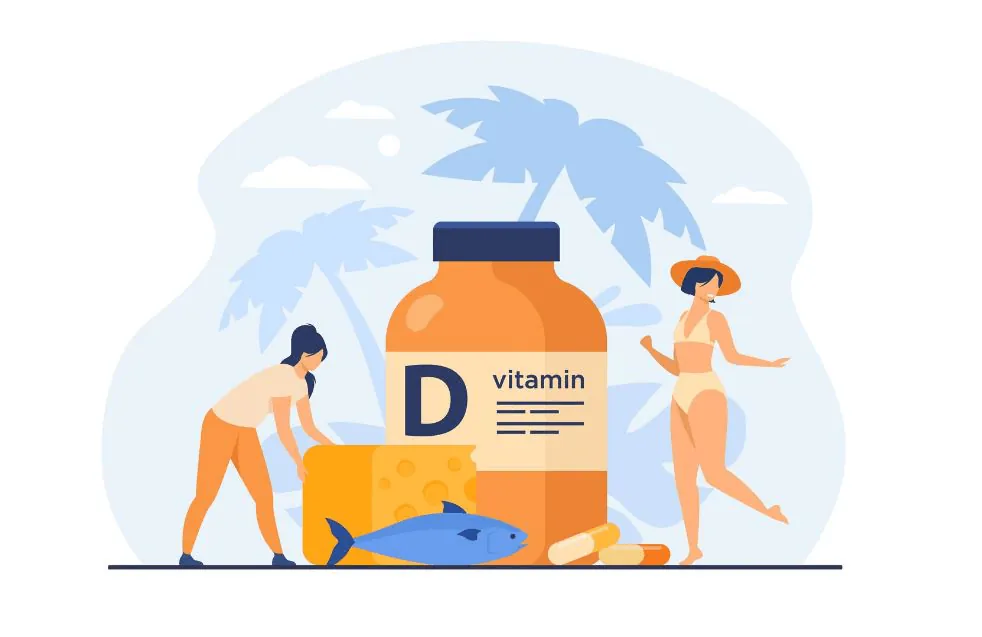
Our latitude and climate mean many UK residents run low for more than half the year. Why vitamin D matters, who's most at risk, the warning signs, and NHS guidance.
Despite being an essential nutrient for skeletal health and immune function, vitamin D deficiency remains a widespread concern across the United Kingdom. Given our geographical position and climate, many residents unknowingly struggle with sub-optimal levels for more than half the year.
Why vitamin D is vital to your health
- Bone & muscle: essential for calcium absorption and maintaining structural integrity.
- Immune system: plays a critical role in modulating both innate and adaptive immune responses.
- Mental well-being: evidence suggests a strong link between healthy vitamin D levels and mood regulation.
The UK latitude problem
From April to September, direct UVB rays allow your skin to synthesise vitamin D naturally. From October to March, however, the sun's angle prevents UVB synthesis almost entirely — the so-called "vitamin D winter."
Are you at higher risk?
- Individuals with darker skin tones.
- Full-time indoor or office workers.
- Older adults, who have decreased synthesis.
Recognising the signs of deficiency
- Chronic fatigue: persistent low energy even after adequate rest.
- Frequent aches: generalised bone pain or muscle weakness and twitching.
- Recurrent infections: higher susceptibility to colds, flu and respiratory issues.
- Slow wound healing: delayed recovery from minor scrapes or surgical incisions.
Official NHS guidelines
During autumn and winter, the NHS recommends a daily supplement of 10 micrograms (400 IU). Alongside supplementation, you can support your levels through diet:
- Increase oily fish such as salmon and mackerel.
- Include red meat and liver.
- Add egg yolks and fortified cereals.
"Vitamin D is one of the simplest deficiencies to correct, yet one of the most commonly overlooked. A short winter supplement is a small step with a meaningful impact on bone, immune and mental health."
— Pharmacist: Kulsum Rajani