

Is That Online Pharmacy Legit? 6 Checks Before You Order
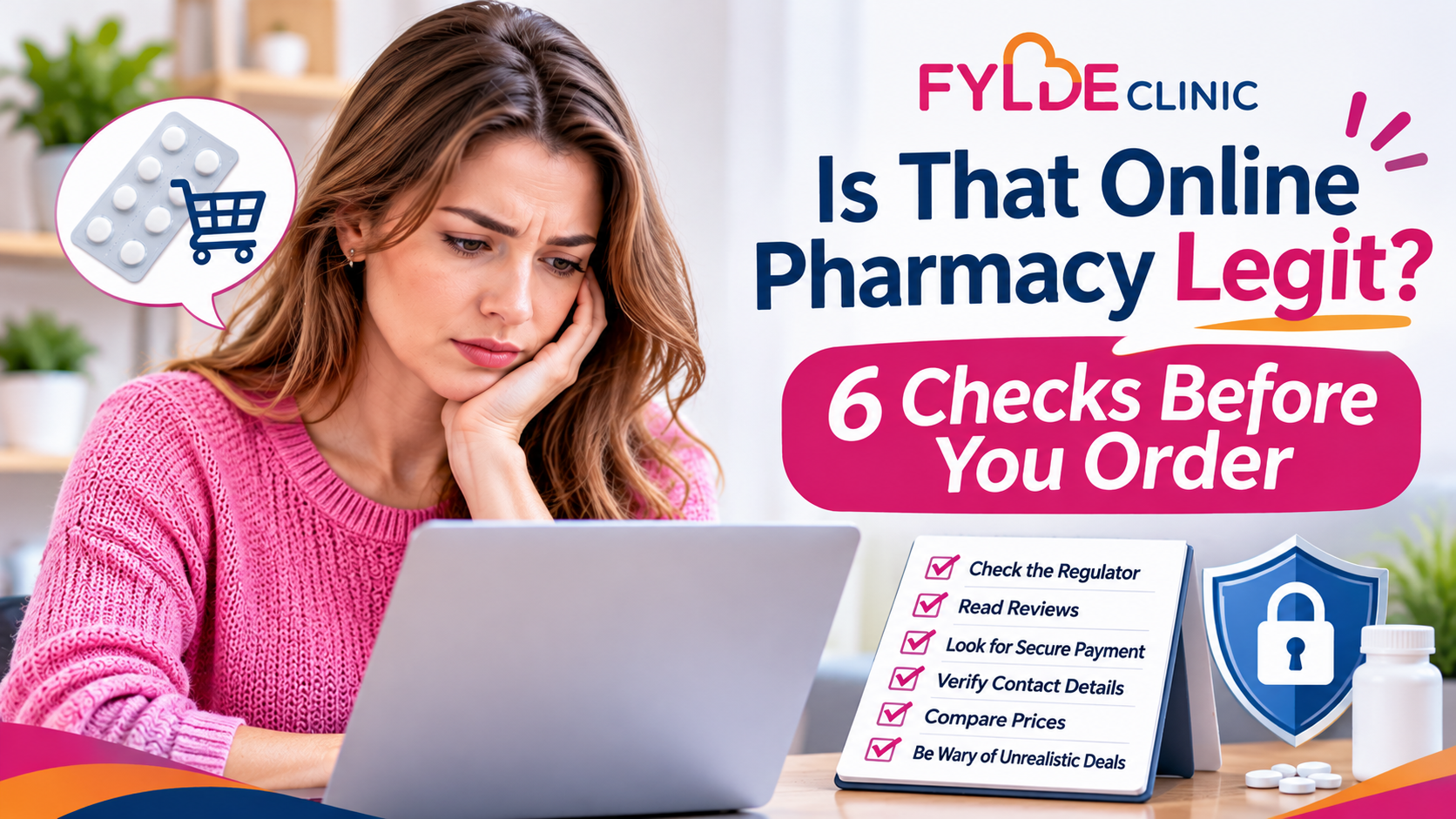
To spot a legitimate online pharmacy, check its registration, contact details, prescription process, professional oversight, medicine information, and delivery policies. Knowing the warning signs, such as unrealistic discounts, missing credentials, and prescription-free sales, protects you from counterfeit medicines, unsafe treatments, and unregulated sellers.
Ordering medicine online saves time and lets you manage many health needs without visiting a pharmacy in person. However, not every website selling medicines is a genuine pharmacy. Some operate without proper registration, sell counterfeit products, or supply prescription treatments without the necessary medical checks.
Before you order, take a few minutes to check who runs the website and how it handles medicines. A polished design or a low price does not make a pharmacy legitimate. These six checks help you identify genuine services and cut the risks of buying medicine online.
How to Verify an Online Pharmacy: 6 Essential Checks
A genuine online pharmacy is open about its registration, services and approach to patient safety. Use these checks to confirm that a website meets the right standards before you order.
What to Check | What to Look For |
Pharmacy registration | Valid GPhC or PSNI registration |
Contact details | Verifiable address, phone number and email |
Prescription requirements | Valid prescription or suitable clinical assessment |
Professional advice | Access to qualified pharmacists or prescribers |
Medicine information | Clear details about ingredients, dosage and risks |
Delivery and aftercare | Secure packaging, delivery details and customer support |
Check Its Pharmacy Registration
Registration is the most important thing to verify. In England, Scotland and Wales, pharmacies must register with the General Pharmaceutical Council (GPhC). Search the regulator's online register using the pharmacy's name or registration details. Check that the registered business matches the website you intend to use. Do not rely solely on a registration number displayed on the website, as false details can be copied from legitimate businesses.
Look for Verifiable Contact Details
A legitimate pharmacy makes it easy to see who runs the service and how to contact them. Look for a registered business name, pharmacy address, telephone number, and email address.
Check that these details match across the website and the regulator's register. A contact form alone offers little reassurance, especially if the site gives no clear information about the pharmacy's location or the professionals responsible for it.
Make Sure Prescription Medicines Require a Prescription
No genuine pharmacy sells prescription-only medicines without proper prescribing. A legitimate online pharmacy will ask for a valid prescription or offer a consultation with a qualified prescriber before supplying these medicines.
Be wary of websites that offer antibiotics, prescription painkillers, or other restricted treatments without asking for relevant medical information. The prescription process protects your safety, so treat it as a safeguard rather than an obstacle.
Check Who Provides Medical Advice
A reliable pharmacy tells you which healthcare professionals run its services. If it offers an online consultation, check who reviews your answers and makes prescribing decisions.
You should also be able to access professional advice about dosage, possible side effects, interactions, and the correct use of medicines. Avoid services that provide treatment without meaningful assessment or make it difficult to contact a qualified professional.
Review Medicine Information and Pricing
Before ordering, check that the website provides clear information about each medicine, including its strength, ingredients, intended use, and important precautions. Prescription medicines should come with appropriate instructions and patient information.
Very low prices can be a red flag, especially compared with established pharmacies. However, a higher price does not prove a seller is genuine, so focus on registration, product information, and overall safety rather than price alone.
Read the Delivery and Aftercare Policies
A legitimate pharmacy explains how it processes, packs, and delivers orders. This matters most for medicines that need specific storage, such as refrigeration.
Check the delivery times, packaging, and process for damaged or incorrect orders. You should also know how to contact the pharmacy if a medicine arrives in poor condition or you need advice after it arrives.
Signs of a Fake Online Pharmacy
Some unregulated websites copy the look of established pharmacies, using professional images, convincing product descriptions and tempting discounts to rush you into buying. Watch out for these warning signs.
Prescription medicines without checks: The website offers prescription-only treatments without requiring a prescription or suitable clinical assessment.
Unrealistic discounts: Prices are unusually low, with pressure to purchase quickly through limited-time offers.
Missing registration details: There is no verifiable pharmacy registration, business address, or information about responsible professionals.
Unclear medicine descriptions: Product listings lack details about ingredients, dosage, manufacturer, or possible risks.
Unsolicited promotions: Medicines are advertised through suspicious emails, social media messages, or unknown sellers.
No proper customer support: Contact details are missing, inaccurate, or difficult to verify.
Never ignore these warning signs. Medicines from unregulated sellers may be counterfeit, wrongly dosed, contaminated, or badly stored, and some contain different ingredients from those on the label, which can seriously harm your health.
Safe Practices for Ordering Prescription Medicines Online
Choosing a registered pharmacy and following the correct prescribing process are essential for buying prescription medicine online safely. A legitimate service asks about your medical history, existing conditions, allergies, and current medicines before arranging treatment.
Always give accurate information during an online consultation. Leaving out details about your medicines or health conditions can affect prescribing decisions and increase the risk of harmful interactions.
Once the medicine arrives, check the packaging, expiry date, strength, and instructions. Do not use products that appear damaged, tampered with, or different from what was ordered. Contact the supplying pharmacy if anything seems unusual.
Before you order, read the Fylde Clinic guide on how online pharmacies work in the UK. It explains registration, online consultations, prescriptions and deliveries, so you can choose an online pharmacy with confidence.
What Should You Do If an Online Pharmacy Seems Suspicious?
Do not place an order if you cannot confirm the website's registration or if its prescribing process raises concerns. If you have already paid, contact your payment provider and do not take any medicine that may not be genuine.
If you have taken a suspicious medicine, speak to a pharmacist or healthcare professional, especially if you notice any unexpected symptoms. You can also report suspected fake medicines and unsafe sellers to the Medicines and Healthcare products Regulatory Agency (MHRA).
Conclusion
Choosing an online pharmacy takes more than comparing prices and delivery options. Checking registration, contact details, prescription requirements and medicine information helps you separate legitimate services from unsafe sellers, and protects both your health and your personal information.
Looking for a pharmacy that passes every check? Choose Fylde Clinic, a GPhC-registered online pharmacy in the UK (Pharmacy No. 9012835). You can verify us on the GPhC register and get expert support with your medicines and treatments.
Frequently Asked Questions
How Can You Tell If an Online Pharmacy Is Legitimate?
Check its registration with the relevant UK pharmacy regulator, verify its business and contact details, and make sure it only supplies prescription medicines after proper prescribing. A legitimate pharmacy also provides clear medicine information and access to professional advice.
Is purchasing prescription medication online in the UK safe?
Yes, as long as you use a properly registered pharmacy that follows the correct prescribing process. Check the pharmacy's credentials and complete any required medical assessment before ordering.
What should you do if you receive medicine from a fake online pharmacy?
Do not take the medicine if you suspect it is counterfeit or unsafe. Ask a pharmacist or healthcare professional for advice and report the seller or product to the MHRA. If you have already taken it and notice an unexpected reaction, get medical advice promptly.