

Flu Jab 2026: Who Can Get It and When Should You Have It?
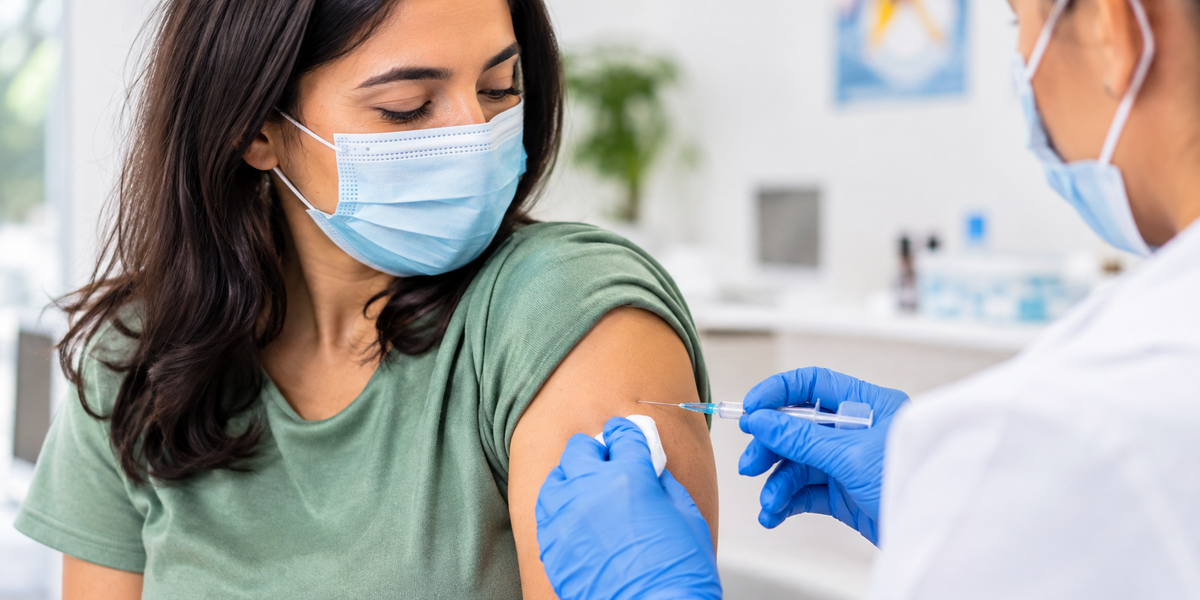
The 2026 flu vaccination programme outlines who is eligible for a free NHS flu jab, when vaccinations are expected to begin, and where eligible individuals can receive them across the UK. Understanding age-related criteria, pregnancy, underlying health conditions and seasonal vaccination timing helps people make informed decisions about protecting themselves against flu and managing symptoms safely.
The flu can be more than an unpleasant winter illness, particularly for older adults, pregnant women, young children and people living with certain health conditions. Getting vaccinated each year helps reduce the risk of serious illness and complications during the colder months. Understanding the flu jab 2026 programme, including eligibility, expected start dates and where to receive the vaccine, can help people plan ahead for the upcoming flu season.
Understanding the NHS Flu Jab Schedule for Autumn 2026
The NHS flu vaccination programme generally begins in autumn, before influenza becomes more common. The exact start dates for the flu jab 2026 in the UK programme may vary according to eligibility group, location and the arrangements confirmed for the season.
When Does The NHS Flu Jab Start in 2026?
The NHS flu vaccination campaign typically starts in September or October, with appointments offered to eligible groups according to the seasonal rollout. For 2026, the precise dates should be checked against the latest NHS guidance for England, Scotland, Wales or Northern Ireland.
Some eligible people may receive invitations before others, so it is worth keeping an eye on messages from a GP surgery, pharmacy or local health service. Booking when invited gives the vaccine time to provide protection before flu activity increases.
Why is Autumn Vaccination Recommended?
Flu viruses circulate more widely during the colder months, and vaccination before winter helps prepare the immune system. Typically, it takes approximately two weeks for immunity to build after getting the vaccine.
Getting vaccinated early in the campaign can help eligible people build protection before flu spreads more widely. However, those who miss an early appointment may still benefit from vaccination later in the season, depending on eligibility and vaccine availability.
Who Can Get the Flu Jab in 2026?
Eligibility for the 2026 flu vaccine in the UK depends on age, pregnancy, certain medical conditions, and other risk factors. The eligibility rules can change between seasons, so the confirmed 2026 criteria should always be checked before booking.
Older Adults
Older people are more likely to experience serious flu complications, including pneumonia and worsening of existing health conditions. The NHS normally offers seasonal flu vaccination to eligible older adults, with the age threshold determined by the programme for that year.
Pregnant Women
Flu vaccination is recommended during pregnancy because flu can cause more serious illness during this time. Vaccination also helps provide protection for the baby during the early months after birth. A midwife, GP or pharmacist can explain when the vaccine can be given and answer questions about its suitability.
People with Certain Health Conditions
People with long-term conditions may qualify for a free NHS flu jab because flu can worsen their symptoms or lead to complications. These conditions can include:
Asthma requiring regular treatment or significant respiratory disease.
Diabetes.
Chronic heart, kidney or liver disease.
Certain neurological conditions.
A weakened immune system due to illness or treatment.
Eligibility depends on the condition and the applicable NHS criteria. Anyone unsure about their status can ask a healthcare professional for advice.
Children and Eligible Carers
Children in eligible age groups are commonly offered flu vaccination through the NHS, often at school or through a GP practice. The vaccine may be provided as a nasal spray or an injection, depending on the child's circumstances and clinical guidance.
Carers and people living with certain vulnerable individuals may also qualify under the seasonal programme. The eligibility rules differ across UK nations, so local NHS information is the best guide.
Flu Jab Eligibility at a Glance
The following table summarises the main eligibility groups and the planned start dates for England's 2026 to 2027 NHS flu vaccination programme. Arrangements may differ elsewhere in the UK.
Eligible group | Programme Start in England |
Pregnant women | 1 September 2026 |
Children aged 2 or 3 on 31 August 2026 | 1 September 2026 |
Schoolchildren from Reception to Year 11 | 1 September 2026 |
Children aged 6 months to under 18 in clinical risk groups | 1 September 2026 |
Adults aged 65 and over | 1 October 2026 |
Adults aged 18 to under 65 in clinical risk groups | 1 October 2026 |
Eligible carers and care home residents | 1 October 2026 |
Source: UK Health Security Agency
People who do not qualify for a free NHS vaccination may be able to pay for a private flu jab through a participating pharmacy or clinic. Checking availability and suitability with the provider is recommended before arranging an appointment.
What to Know Before Getting Your 2026 Flu Jab
Depending on eligibility and local arrangements, vaccination may be available through a GP surgery, participating community pharmacy, maternity service, school immunisation team or employer. The NHS website provides current information about booking and eligibility in England.
The 2026 flu vaccine is designed to help protect against the influenza strains expected to circulate during the season. The vaccine composition can change each year, which is why previous vaccination does not remove the need for another seasonal dose.
Most people experience no serious problems after vaccination, although a sore arm, mild temperature or tiredness can occur for a short time. The injectable vaccine cannot cause flu because it does not contain live flu virus.
People who have had a severe allergic reaction to a flu vaccine or any of its components in the past should consult a healthcare professional about this. Advice is also important for people who are currently unwell or have questions about the nasal spray vaccine for children
Beyond Prevention: Understanding Your Flu Treatment Options
Vaccination is a preventive measure, while medicines may help manage symptoms after an infection develops. Buying flu medicines should not replace professional guidance. Antibiotics do not treat influenza because it is caused by a virus. Antiviral medicines may be appropriate for certain people at greater risk of complications, but a clinician needs to assess the circumstances and advise on treatment.
Looking for support with flu treatment? Contact Fylde Clinic to discuss suitable treatment options and buy medicines online in the UK with informed professional support.
Conclusion
The flu jab 2026 programme offers important protection for people at greater risk of flu complications. In England, vaccinations begin in September for some groups, with most eligible adults invited from October. Checking eligibility early, arranging an appointment and following professional advice can help prepare for the winter season.
Make your next healthcare decision with confidence. Contact Fylde Clinic for advice on managing flu symptoms and guidance on getting appropriate online flu medicines.
Frequently Asked Questions
Can I Get a Flu Jab If I am Under 65?
Yes, you may be eligible for a free NHS flu jab if you are under 65 and pregnant, have certain long-term health conditions, or meet other eligibility criteria. If you do not qualify for a free vaccination, a private flu jab may be available. Check the latest NHS guidance for the 2026 flu season..
Where can You Get a Flu Vaccination in the UK?
Depending on eligibility and local arrangements, you may receive a flu jab through a GP surgery, participating NHS pharmacy, maternity service or school immunisation team. Check your local NHS guidance to confirm eligibility and booking options.
When Does the NHS Flu Jab Start in 2026?
The NHS flu vaccination programme in England began on 1 September 2026 for certain groups, including pregnant women and eligible children. Most eligible adults have started receiving vaccinations from 1 October 2026. Dates may differ across Scotland, Wales and Northern Ireland..