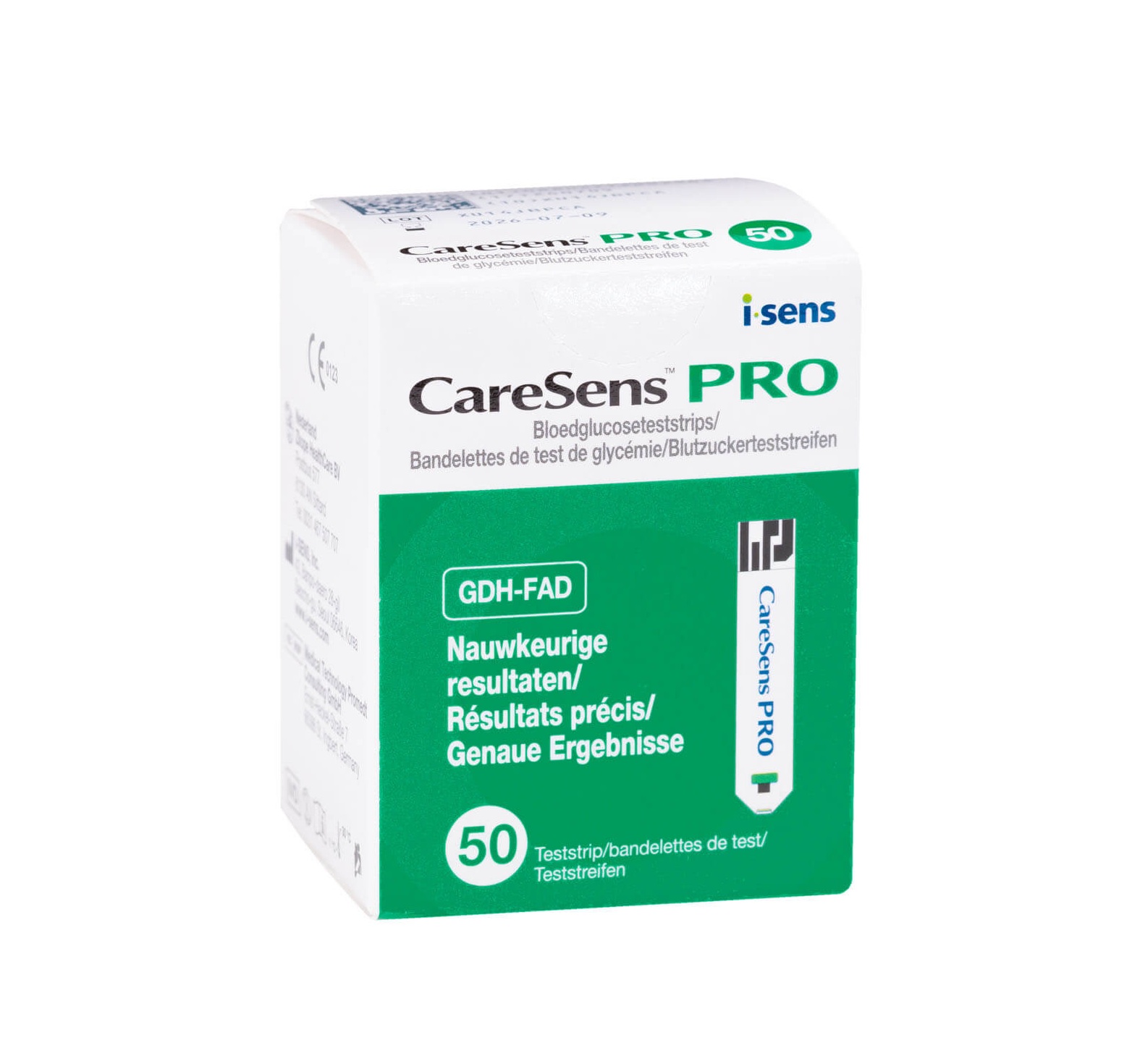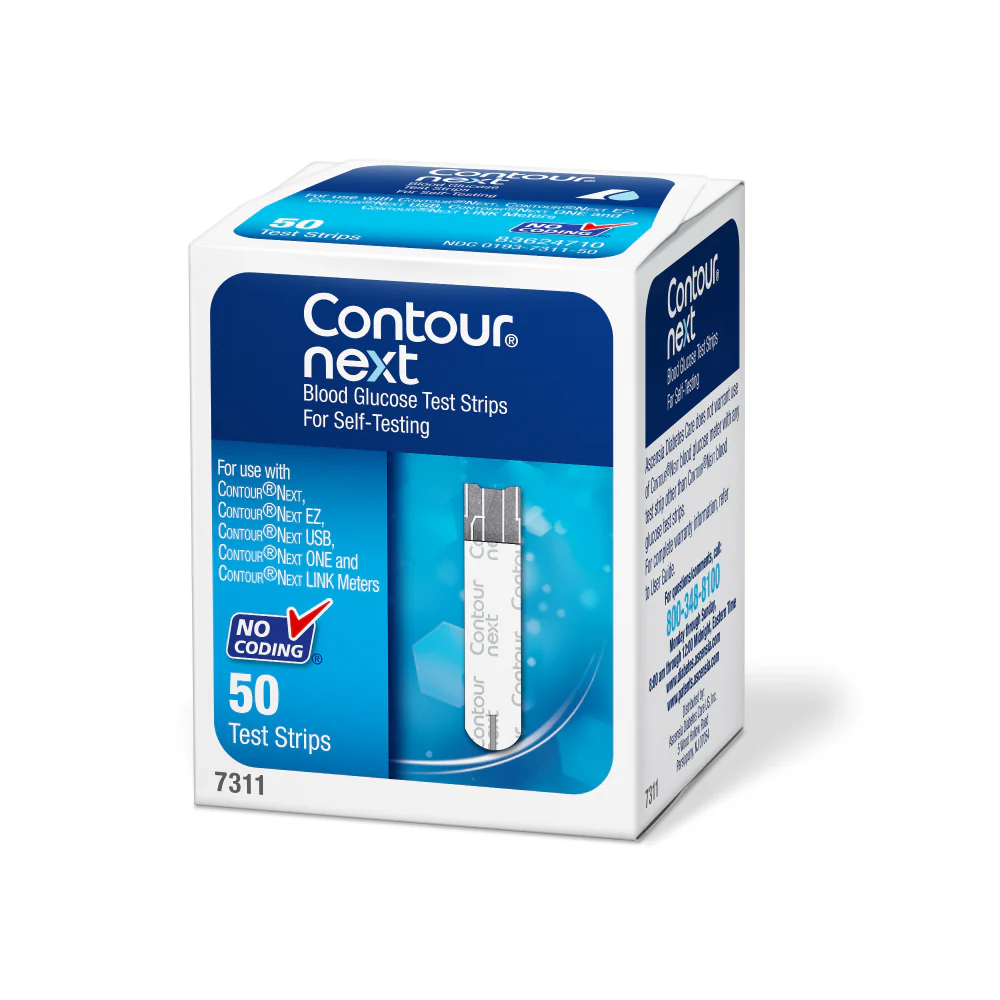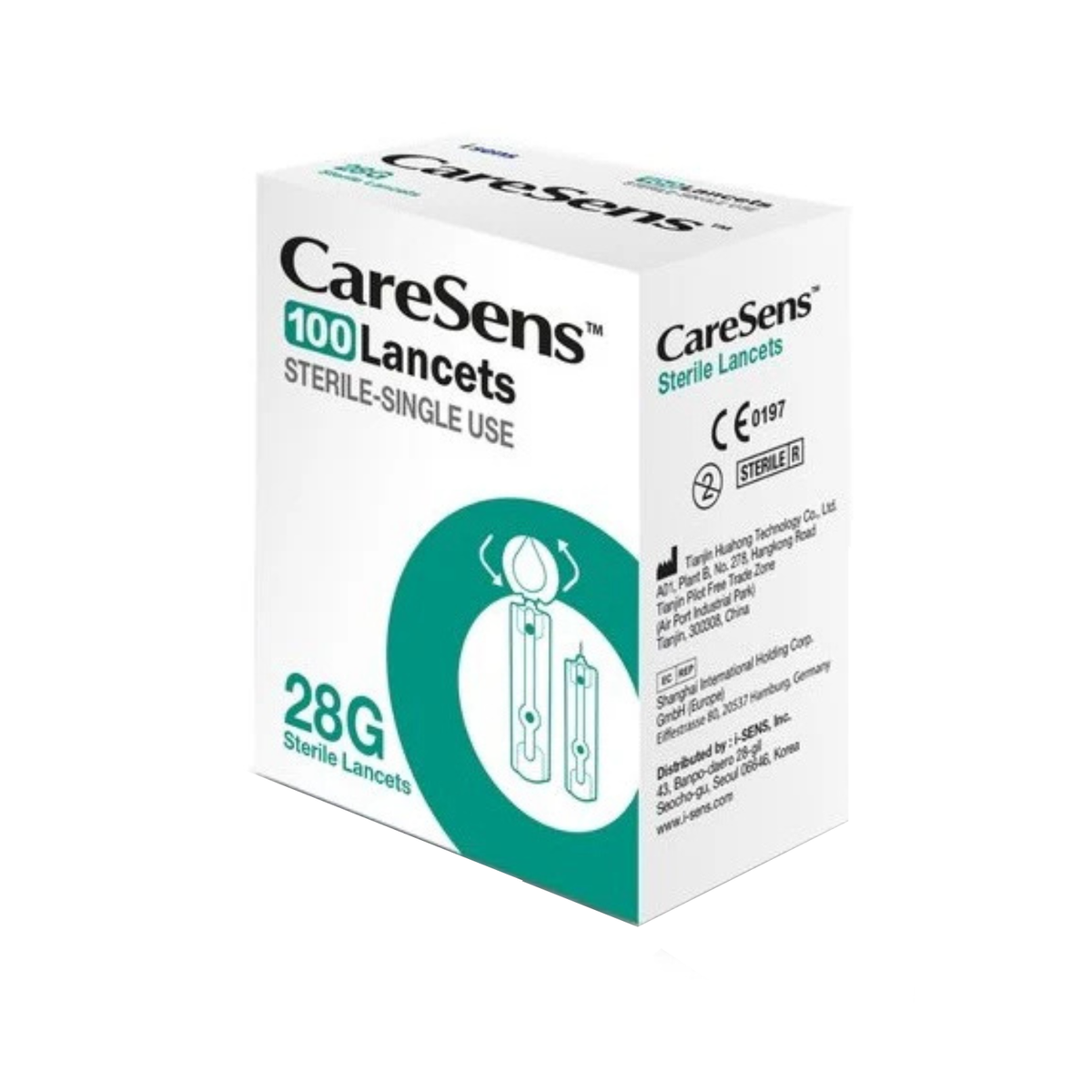


Freestyle Test Strips - 50 Pack
£16.00 ex. VAT · includes £3.20 (20.00% VAT)
Product Overview
Pack of 50 FreeStyle blood glucose test strips for daily self-monitoring. Compatible with FreeStyle meter systems and designed for accurate results with a small blood sample.
Description
FreeStyle Test Strips – Pack of 50 Strips are blood glucose monitoring strips engineered for reliable self-testing of blood glucose at home or in clinical settings. These strips are compatible with a range of FreeStyle blood glucose metres such as FreeStyle Lite, FreeStyle Freedom Lite, FreeStyle InsuLinx and FreeStyle Navigator II, making them versatile for everyday diabetes care.
Designed to work with FreeStyle monitoring systems, these strips offer accurate, consistent glucose readings that help people with diabetes make informed decisions about insulin dosing, diet and lifestyle. The innovative strip design often includes features such as ZipWik tabs to make sample application easier and reduce wasted strips.
FreeStyle is a well-established diabetes care brand by Abbott, trusted by healthcare professionals and patients for quality glucose monitoring solutions.
Brand: FreeStyle (by Abbott)
Pack Size: 50 test strips
Intended Use: In-vitro diagnostic self-monitoring of blood glucose for people with diabetes
How to Use
- Prepare the meter and strip: Wash and dry hands before testing to improve accuracy. Insert one FreeStyle test strip into your compatible FreeStyle metre; the device should switch on automatically.
- Apply blood sample: Obtain a fresh capillary blood drop using a lancing device. Touch the edge of the test strip’s sample window to the blood drop — the meter will begin testing when sufficient sample has been detected.
- View result: Wait for your blood glucose result to appear on the metre screen (typically in a few seconds).
- Record & act: Log your result as advised by your clinician or diabetes care plan. Take action if levels are outside your target range, following professional guidance.
- Dispose safely: Used strips should be discarded safely as per healthcare waste guidance. Do not reuse test strips.
Important: Always refer to your metre’s user guide for precise testing steps and safe usage instructions. If testing repeatedly, carry enough strips in a cool, dry place to maintain performance.
Ingredients
FreeStyle Test Strips are diagnostic consumables (devices) rather than medications, and do not have “ingredients” in the conventional pharmaceutical sense. Instead, they consist of engineered materials and reagents that enable glucose detection for accurate blood sugar readings:
- Electrochemical sensor elements — detect and measure glucose-derived electrical signals
- Reagent chemistry layer — reacts with glucose in blood to initiate measurable current changes
- Plastic and conductive substrates — form the strip body and electrical contacts for meter reading
These components work in combination to allow compatible metres to interpret blood glucose concentration from a small capillary whole blood sample.
Side Effects & Warnings
Key Warnings & Precautions
• For in-vitro diagnostic use only: These strips are intended for testing outside the body with a compatible FreeStyle metre. They cannot diagnose diabetes on their own and are not a substitute for professional medical tests.
• Single-use only: Do not reuse test strips — reusing strips can lead to inaccurate results and increase the risk of contamination.
• Storage: Store strips in their original container with the lid tightly closed. Avoid exposure to moisture, heat and direct sunlight, and use within the expiry date printed on the packaging.
• Check compatibility: Use only with FreeStyle metres specified by the manufacturer. Strips are not interchangeable with other brands or unrelated devices.
• Environmental conditions: Extreme temperatures and humidity can affect strip performance — follow storage guidelines and meter prompts.
• Disposal: Dispose of used test strips and lancets responsibly in line with local clinical waste guidance.
When to Seek Advice
If your blood glucose results consistently conflict with your symptoms, repeat the test with a fresh strip. If uncertainty persists, consult your pharmacist, diabetes specialist or GP for review and guidance. If you experience symptoms of very low (hypoglycaemia) or very high (hyperglycaemia) blood glucose that do not align with readings, seek medical advice promptly.
Complete Your Care