

When Do You Actually Need Antibiotics? A Patient Guide to Safe Treatment
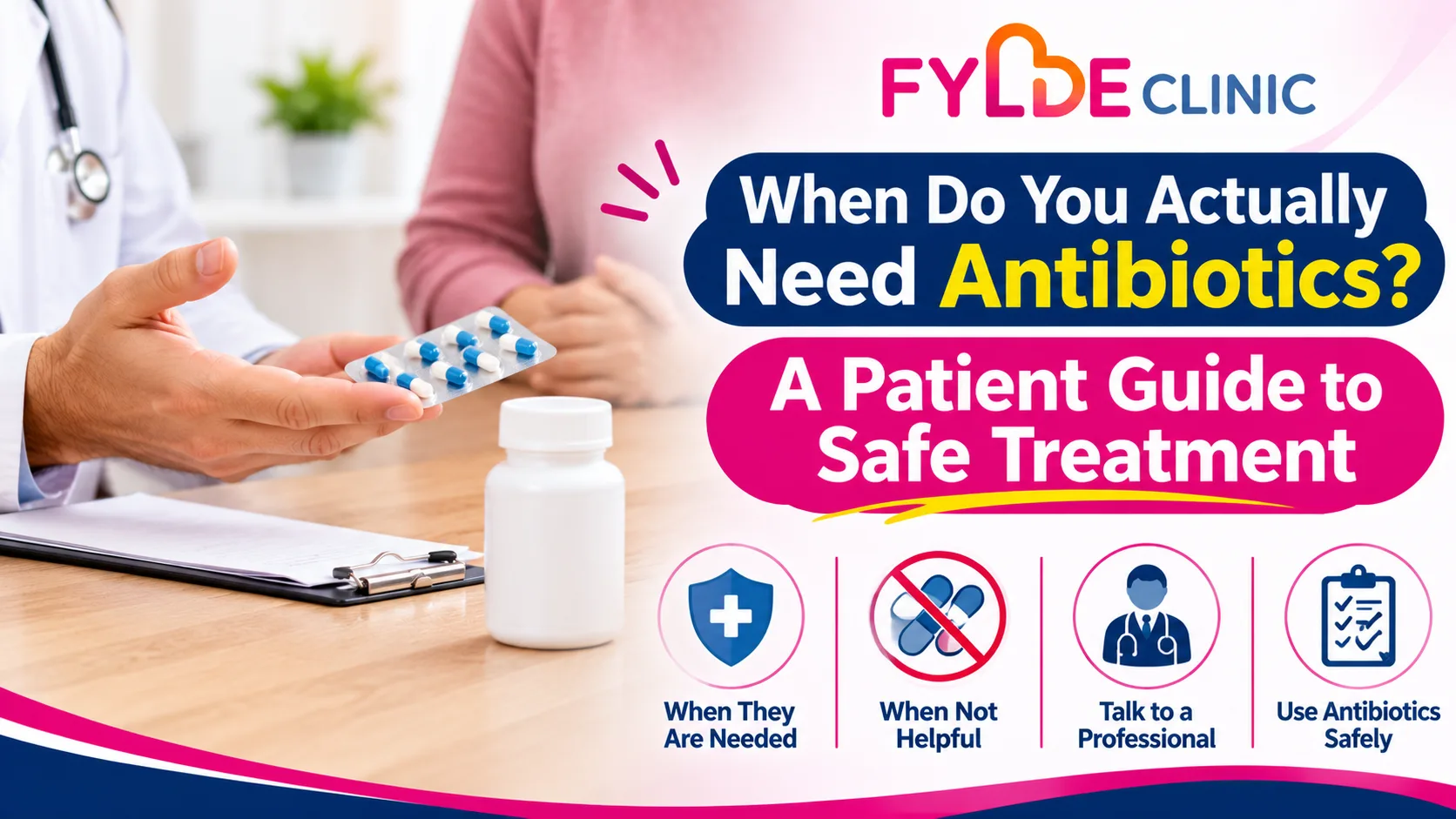
Antibiotics treat serious bacterial infections such as pneumonia, kidney infections, and sepsis, but they do nothing against viruses like colds and flu. Safe treatment depends on a professional assessment, taking the full course as prescribed, and never using leftover tablets. Using antibiotics responsibly slows resistance and keeps these medicines working for everyone.
Few things feel more frustrating than a cough that drags on for a week, only for the GP to say antibiotics will not help. Many people assume there is a pill for every illness, but antibiotics only work against bacteria. Using them only when you need them protects your own health and keeps them effective for everyone else, while misuse brings side effects, slower recovery, and stubborn bacteria that no longer respond to treatment.
This guide covers what antibiotics treat, when they make sense, how to take them safely, and what to ask a prescriber first.
When Do You Need Antibiotics?
So, when do you need antibiotics? You need them when a bacterial infection is serious, unlikely to clear on its own, or at risk of spreading or causing complications. Pneumonia, kidney infections, meningitis, sepsis, and some worsening skin infections all fall into this group.
Mild bacterial infections are different. Many ear infections, sinus infections, and cases of mild cystitis improve within a few days without treatment, so a clinician may suggest waiting and watching instead.
The decision depends on your symptoms, how severe they are, your medical history and the likely cause. A clinician may treat someone with a weakened immune system sooner than an otherwise healthy adult. Guessing the cause yourself is unreliable, because a sore throat or chesty cough can look the same regardless of what is behind it.
What Are Antibiotics Used For?
In short, antibiotics kill bacteria or stop them from multiplying, giving your immune system the chance to finish the job. They have no effect on viruses, fungi, or parasites.
Clinicians prescribe antibiotics for bacterial infections such as pneumonia, urinary tract infections, tonsillitis caused by streptococcal bacteria, cellulitis and certain stomach infections. They match each medicine to the likely bacteria and the part of the body affected, and sometimes send a sample to a laboratory to choose the most suitable option.
Common Infections and Treatment Approach
The table below shows how clinicians typically approach several everyday conditions.
Condition | Usual cause | Are antibiotics usually needed? |
|---|---|---|
Common cold | Virus | No |
Flu | Virus | No |
Most sore throats | Usually virus | Usually no |
Acute bronchitis | Usually virus | Usually no |
Cystitis | Usually bacteria | Often, based on a clinician’s advice |
Pneumonia | Usually bacteria | Yes |
Impetigo | Bacteria | Yes |
Infections That Usually Clear Up Alone
Colds, flu, most coughs, many sore throats, and a large share of ear infections get better on their own. Rest, fluids, and paracetamol or ibuprofen for aches and fever are usually enough, and antibiotics would only bring side effects with no benefit.
Why Different Antibiotics Exist
Some antibiotics target a narrow group of bacteria, while others act on a wide range. Allergies matter too: if you are allergic to penicillin, you need a different medicine, so always tell your prescriber about any past reactions.
When Should You Take Antibiotics?
Only when a doctor, nurse, pharmacist, or dentist has decided you need them. Once you have a prescription, how you take them matters just as much.
Take Them Only When Prescribed
Never take leftover tablets from a previous illness or someone else’s supply. The wrong medicine can mask symptoms, delay proper treatment, and fuel resistance.
Follow the Course Carefully
Take each dose at the right time, with or without food as directed, and finish the course unless a healthcare professional tells you otherwise. Stopping as soon as you feel better can occasionally let a stubborn infection return, so check with your prescriber before making any changes.
What to Do About a Missed Dose
If you forget a dose, take it as soon as you remember. If your next dose is almost due, skip the missed one and carry on as normal. Never take two doses at once to make up for it.
Common Side Effects
Feeling sick, diarrhoea, stomach cramps, and thrush are among the more common side effects. A rash, facial swelling or difficulty breathing may signal an allergic reaction, so get emergency help straight away.
Alcohol and Other Medicines
A small amount of alcohol is fine with many antibiotics, but avoid alcohol completely with metronidazole and tinidazole. Some antibiotics also affect how other medicines work, so tell your prescriber about everything you take, including supplements.
Questions to Ask Before Accepting a Prescription
A short conversation with your prescriber makes treatment safer and more effective. Ask which infection they are treating, how long the course lasts, and which side effects to watch for. It also helps to ask what to do if your symptoms do not improve within a few days and if you need a follow-up appointment. Mention any allergies, pregnancy, breastfeeding, or other medicines you take, and write the answers down so you can follow the plan at home.
Why Antibiotic Resistance Matters
Every time we use antibiotics, some bacteria survive and adapt. Over time, these resistant bacteria multiply and make infections harder to treat. Using antibiotics only when needed, and exactly as directed, slows this process and keeps routine operations, cancer treatment, and care for premature babies safer for everyone.
Conclusion
Antibiotics are powerful and valuable, but only in the right circumstances. You need them for significant bacterial infections, not for the viral illnesses behind most coughs, colds and sore throats. Getting a proper assessment, taking the medicine exactly as prescribed, and never sharing or hoarding tablets all help treatment work and protect these medicines for the future.
Not sure if a stubborn cough, sore throat or urinary infection needs antibiotics? Fylde Clinic offers clear guidance from qualified clinicians, so every treatment decision fits your symptoms. As a GPhC-registered online pharmacy in the UK, Fylde Clinic provides discreet, regulated access to prescribed medicines, including antibiotics when a clinician confirms you need them.
Frequently Asked Questions
Do Antibiotics Work for Viral Infections?
No. Antibiotics have no effect on viruses, so they do not help with colds, flu, most sore throats, COVID-19 or chickenpox. Some viral illnesses have specific antiviral medicines, but these are prescribed in particular situations only.
How Long Do Antibiotics Take to Work?
Most people start to feel better within a few days of starting treatment, although the exact time depends on the infection and the medicine used. Some conditions, such as a chest infection, may take longer to settle fully. If there is no improvement after two to three days, or symptoms worsen, contact the prescriber, NHS 111 or a GP for advice.
How Do I Know If I Need Antibiotics?
Self-diagnosis is difficult, so a professional assessment is the safest route. Contact NHS 111 or a GP if your symptoms last longer than expected, a fever returns or worsens, pain intensifies or you feel much worse after starting to improve. Call 999 for severe breathlessness, confusion, a rash that does not fade under a glass or other signs of sepsis.
Can You Take Antibiotics While Pregnant or Breastfeeding?
Many antibiotics are safe during pregnancy and breastfeeding, but some are not. If you are pregnant, trying to conceive or breastfeeding, tell your prescriber or pharmacist before starting a course so they can choose a safe option. Never stop or swap a prescribed medicine without professional advice.
Can You Get Antibiotics Without a Prescription in the UK?
Not over the counter. Antibiotics are prescription-only medicines, but you can get them after a face-to-face, phone or video consultation with a prescriber, including through a regulated online service. In England, the Pharmacy First service also lets community pharmacists supply antibiotics for certain conditions, such as uncomplicated urinary tract infections in women aged 16 to 64, after a consultation. Avoid unregulated websites, which may sell fake, wrongly dosed or unsuitable products.
Can Antibiotics Affect Contraception?
Most antibiotics do not make the contraceptive pill less effective. The exceptions are rifampicin and rifabutin, and severe vomiting or diarrhoea can also affect the pill, so check the leaflet or ask a pharmacist.
What Happens If You Stop Antibiotics Early?
Feeling better does not always mean the bacteria have gone. Stopping too soon can let the infection come back, sometimes in a harder-to-treat form, so complete the course as directed. If side effects trouble you, speak to your prescriber or a pharmacist rather than simply stopping, as a different medicine may suit you better.